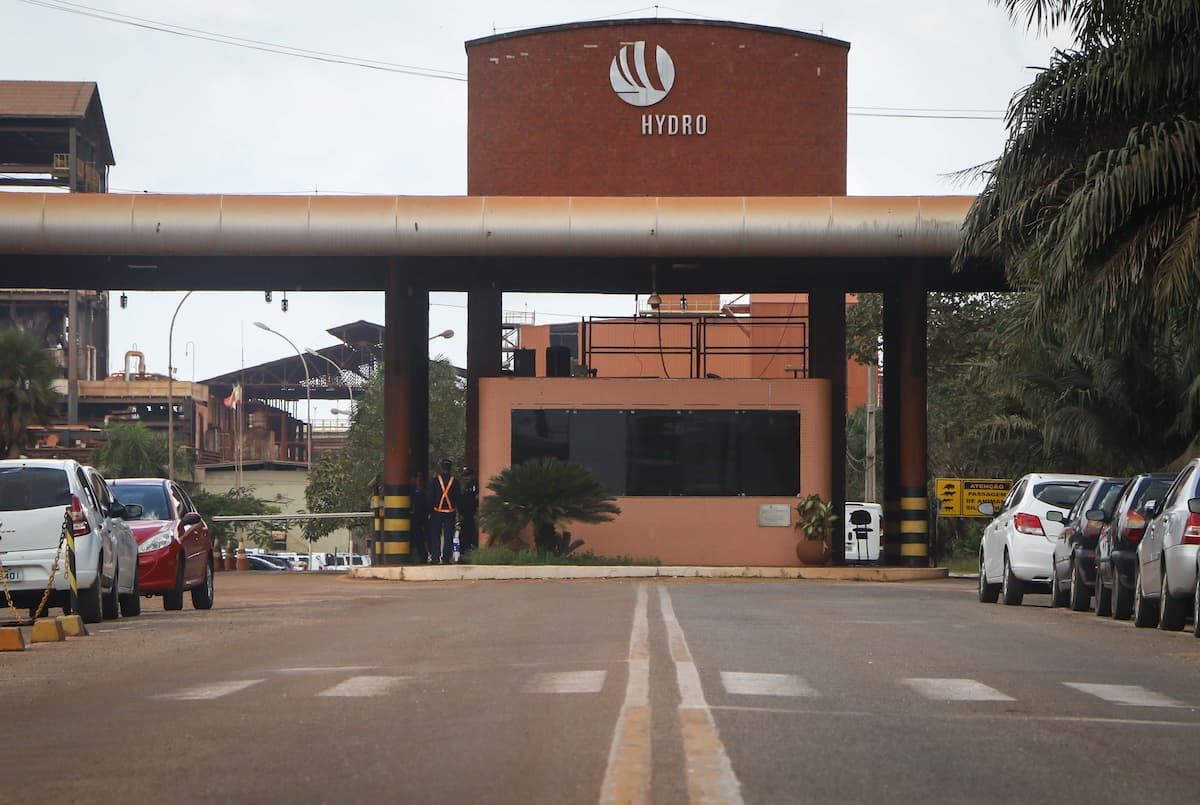
The bioeconomy is widely discussed in the Amazon as a key driver of local development that keeps the forest standing. Yet, for businesses in this field to prosper, they require investment and training. In western Pará, one initiative has played a fundamental role in strengthening and consolidating sustainable enterprises in the region: Oka Hub - Incubadora da Floresta.
Launched in July 2025, Oka Hub is a project by the Serviço Brasileiro de Apoio às Micro e Pequenas Empresas [Brazilian Micro and Small Business Support Service] (Sebrae) for the Lower Amazon region. It is based in the municipality of Belterra and integrated into the Museu de Ciência da Amazônia [Museum of Science of the Amazon] (Muca), where the incubator is headquartered. Since then, ten companies across various sectors, ranging from biopharmaceuticals and biocosmetics to sustainable leather production and community-based tourism, have been supported by Oka Hub, showing significant business growth.
OKA FLOW
According to Thyago Gatto, analyst at Sebrae Nacional and head of the Brasil BioMarket project, a bioeconomy showcase created by Sebrae, Oka Hub was designed to serve as a bridge between the ancestral knowledge of local communities, scientific research, and the global market.
“The incubation methodology was structured by the social innovation lab Colabora Lab, with institutional support from Sebrae and the Pará Bioeconomy Hub. The small businesses receive a support package that includes a monthly grant of R$ 6,500 for entrepreneurs during their first year, access to physical infrastructure, strategic mentoring from industry executives, technical-scientific backing, and preferred access to an investor network for funding rounds,” Gatto explains.
The businesses' support journey follows a methodology known as Oka Flow. Specially developed for sustainable enterprises and aligned with the United Nations (UN) Sustainable Development Goals, the program spans a total of 24 months.
In just over a year of operation, Oka Hub's support has proven essential. “Mahá Biocosméticos, for example, made operational and commercial strides, growing performance by 44% after standardizing production into fixed lines. In addition, the company has helped empower local women. It’s a partnership that generates income while valuing the knowledge acquired from their families and the forest,” Gatto highlights.
Cacauaré is another success story, which recorded an increase in sales thanks to digital platforms. “Between 2024 and 2025, the company's revenue rose from R$ 317,000 to approximately R$ 600,000,” the Sebrae analyst pointed out.
From the classroom to the market
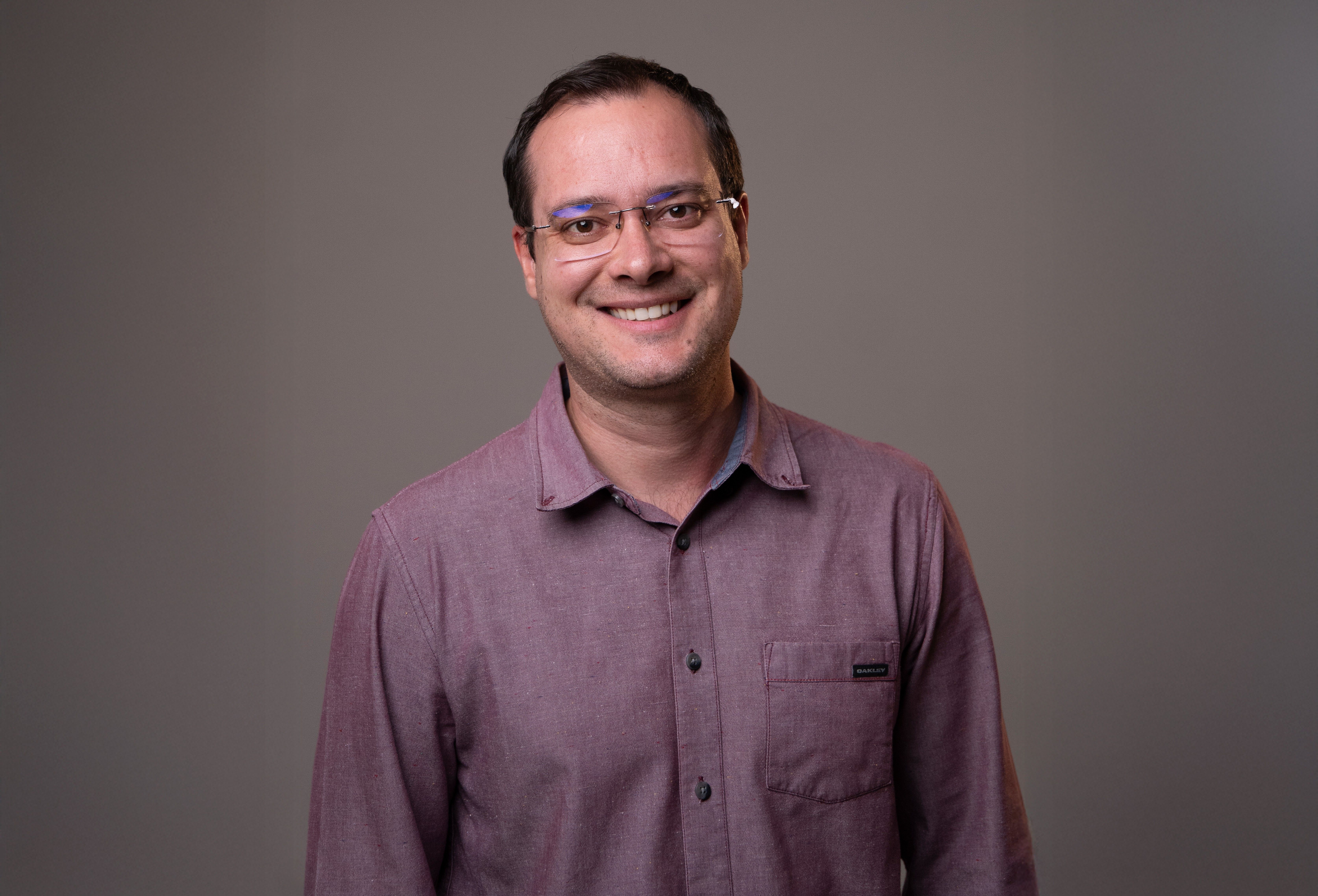
Mahá Biocosméticos was founded in 2019 as Melissa Lage's capstone project for her Pharmacy degree at the Federal University of Western Pará (Ufopa), in Santarém. Melissa was joined by her project advisor, Bruna Souza, along with other classmates. Since 2021, Mahá has been a registered company, with Melissa and Bruna as co-owners.
“Back in university, we noticed that conventional off-the-shelf products didn't meet the needs of Brazil's diverse hair types. The initial idea was to create customized formulas using Amazonian oils and butters tailored to each customer's specific hair profile. In 2021, we officially registered the business, and after a lot of research and a few pivots, we reached where we are today: fixed product lines designed for specific hair type groups, featuring local oils and butter suited for each need,” Bruna remembers.
Today, the brand carries lines for all hair types, blending an Amazonian oil and butter tailored to each need: straight hair features Brazil nut and murumuru; wavy hair uses patauá and murumuru; curly hair relies on buriti and ucuuba; and coily hair combines andiroba and ucuuba. Mahá's portfolio also includes a nourishing mask infused with cupuaçu, buriti, and patauá.
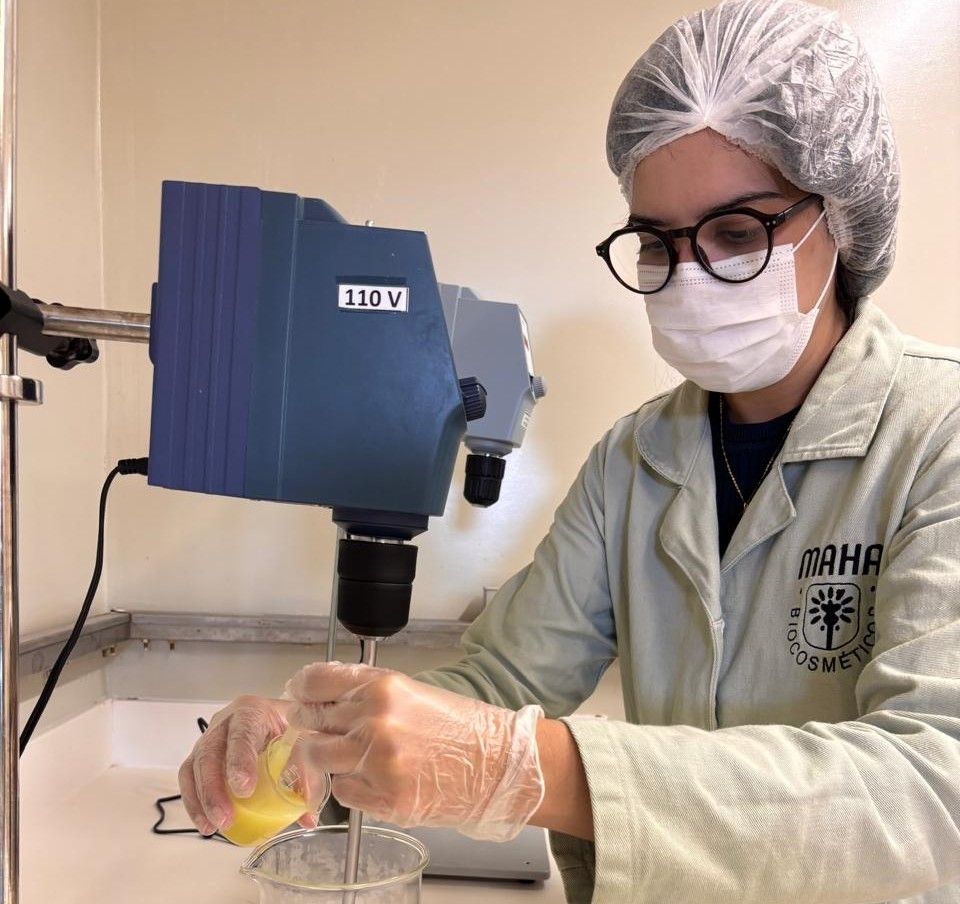
For Bruna, the incubation at Oka Hub provided the tools to better structure the business. “We had mentorship, training, and access to funding calls. As a concrete result, we completed our first outsourced production run, our first batch made in a small-scale facility, and we are going to conduct clinical efficacy tests for our hair mass replenishment products. Mahá grew, became more robust, and reached more people. For a small business like ours, having experienced professionals review the business alongside us makes a world of difference. As pharmacists, Melissa and I tend to focus more on the technical side of the product and overlook the commercial and financial aspects. Through incubation, we managed to strengthen those other areas of the company,” the entrepreneur highlighted.
Income generation for local communities
Bruna Souza explains that the oils and butters used by Mahá are sourced from local producers or companies working directly with them. “We always aim for direct purchasing with fair pay, sustainable harvesting, traceability, and verified origin. It is a way of valuing the work of those who live off the forest and protect it. For us, this is an integral part of the product. Sustainability and origin are at the core of Mahá. When we buy from those who live in the forest, the money stays in the region, and keeping the forest standing generates income,” she highlighted.
One of Mahá's suppliers is Amélias da Amazônia, a group of riverside women from the São Domingos community in the Tapajós National Forest in Belterra. Although formally established only in 2026, the Amélias have been artisanally extracting andiroba and copaiba oils for cosmetics and medicines since 2016.
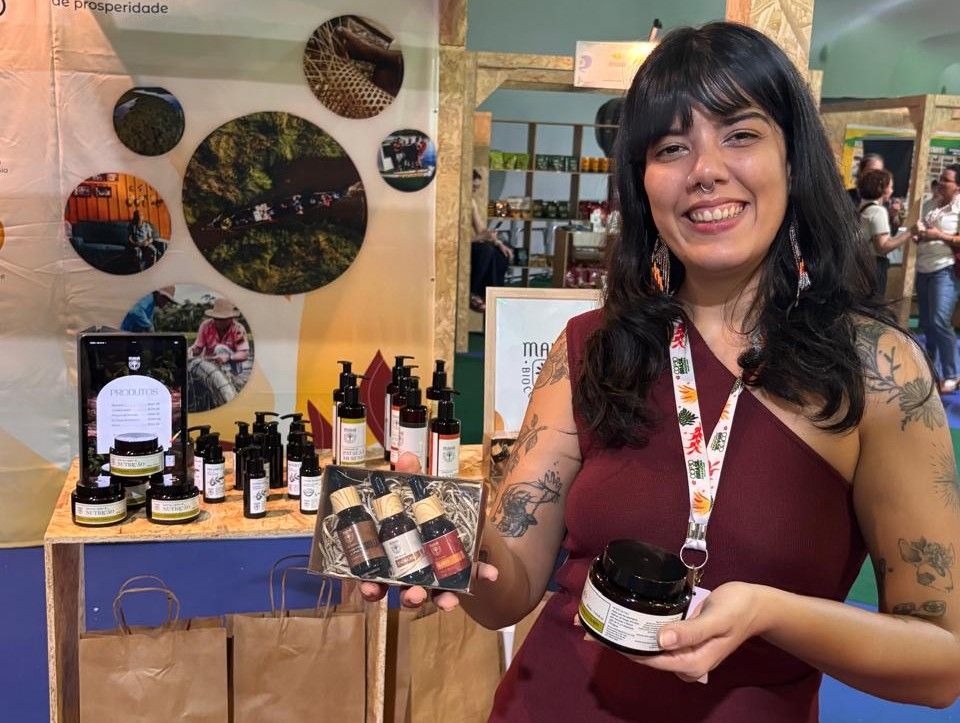
For Marinelson Silva, vice president of Amélias da Amazônia and nephew of the group's founders, the partnership with Mahá Biocosméticos helps to boost the local economy and income generation while preserving traditional knowledge. “Sustainable management and artisanal production are at the core of the Amélias' work. We only harvest the seeds, leaving the trees standing. We even focus on regeneration: we go to deforested areas and plant andiroba trees. Mahá shares this exact vision of producing without harming nature while valuing traditional knowledge. It has been empowering,” he stated.
From fish waste to luxury leather
Bruna Freitas, founder of Yara Couro da Amazônia, also saw gains from Oka Hub's support. “At key moments, the incubator put us right at the finish line. It brought us closer to suppliers, partners, and people who didn't know our product yet. New business opportunities opened up, including in international markets,” the entrepreneur points out.
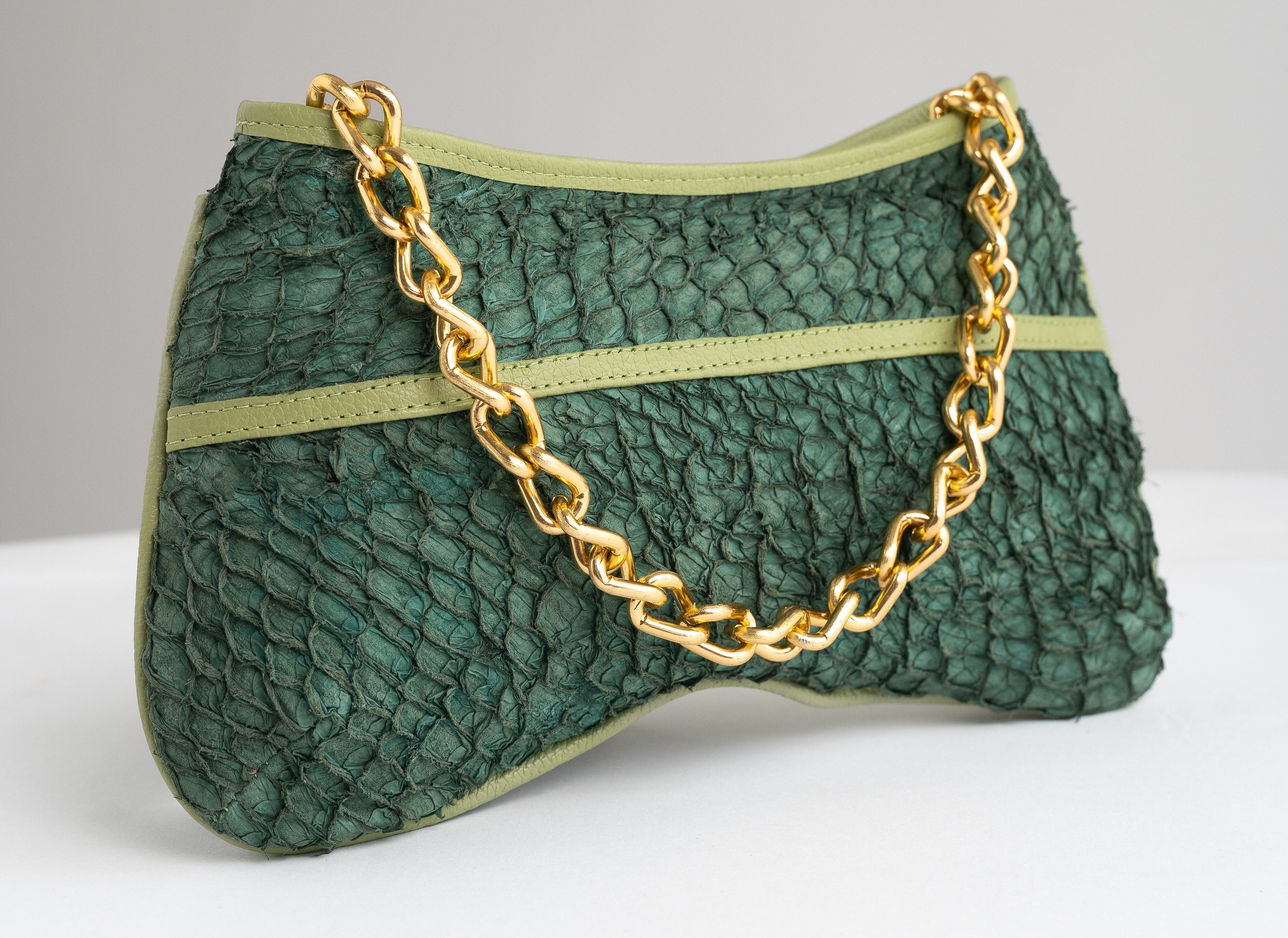
Yara works with the production of Amazonian fish leather and its application in items such as handbags, shoes, and other accessories. The idea grew out of Bruna's own background; native to Amapá, she is the granddaughter of a riverside fish filleter.
“I graduated in Advertising and traveled the world, but my roots are deeply tied to the Amazon. Something that left a lasting impression on me was listening to my grandmother's stories and her unique relationship with fish waste. To her, nothing was trash, everything could be turned into something else. For a time, I worked in the fashion industry, which broadened my perspective on raw materials and sustainability. When I returned to Amapá in 2022, I knew I wanted to create something connected to my roots, and that's how I discovered the world of fish leather,” Bruna recalled.
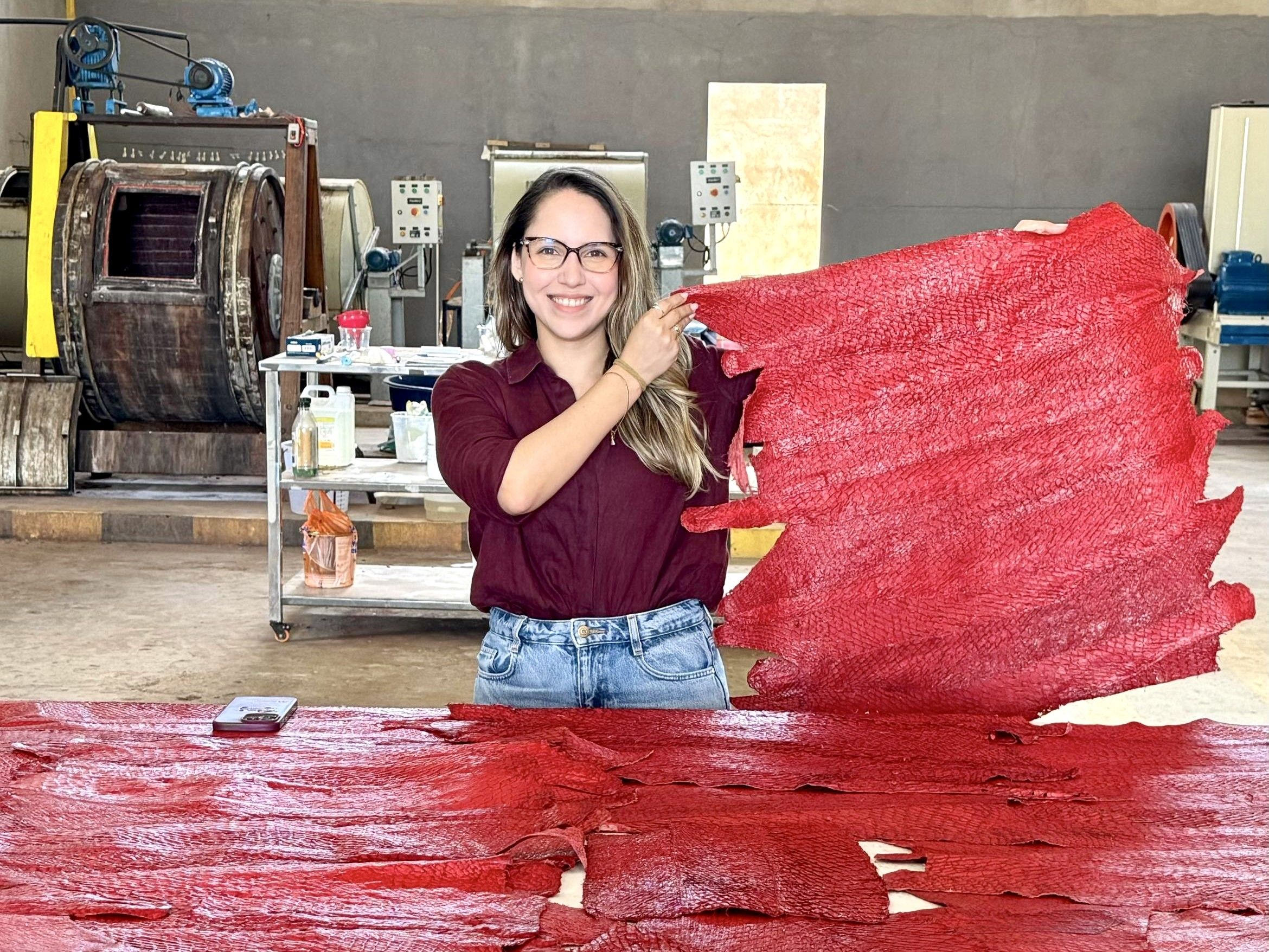
Today, Yara already has a production process capable of transforming fish skins into high-quality products, without setting sustainability aside. “We have three standard fish: croaker, yellow croaker, and pirarucu. But I usually say that whatever falls into the net is fish leather, because we have a technology that adapts to other species. And always following the regulations for each fish, closed seasons, correct origin. The pirarucus are all certified,” she says.
The process used also aims at sustainability. “It is a technology with a less aggressive tanning, which is vegetable tanning, that does not use chromium. It is a cleaner process. Our water also circulates inside the tannery to make savings, which is usually a problem for the leather industry. We managed to establish a production rhythm that does not give up either sustainability or the final beauty of the product, showing that this leather works. Our essence is to prove that this fish waste is not garbage, it is raw material, and that this only strengthens this chain that is so important for the Amazon,” emphasizes the entrepreneur.
Strengthening the bioeconomy
“Anyone starting a bioeconomy business in the Amazon faces costs that a company in the Southeast doesn't have. Freight for packaging and inputs is heavy, access to credit is difficult, and the consumer market is far away. Incubators and support programs help companies to survive these initial years, which are the hardest. Incubation also helps the entrepreneur look at their own business more technically. Many people here in the region understand the bioeconomy and know the value of the forest, but they don't always know how to turn that into a product that the market recognizes and pays a fair price for,” Bruna Souza argues regarding the importance of Oka Hub's support.
“For a long time, our region was left out of the investments, training, and opportunities that other parts of the country enjoyed. We have always had knowledge about the forest. What was missing was support to turn that into strong businesses that stay and grow here. And the more local businesses consolidate, the more we prove that it is possible to generate income and jobs with the forest standing, using knowledge produced right here,” the pharmacist states.
INSTITUTIONAL PARTNERSHIP
The production of Liberal Amazon is one of the initiatives of the Technical Cooperation Agreement between the Liberal Group and the Federal University of Pará. The articles involving research from UFPA are revised by professionals from the academy. The translation of the content is also provided by the agreement, through the research project ET-Multi: Translation Studies: multifaces and multisemiotics.