
This Monday (2), Dia de Finados [All Souls’ Day] is commemorated in several countries with a Catholic tradition. Around the globe, there are many ways of honoring those who have departed, from the most festive, such as the Día de los Muertos in Mexico, to the more introspective, involving cemetery visits, silence, and prayers.
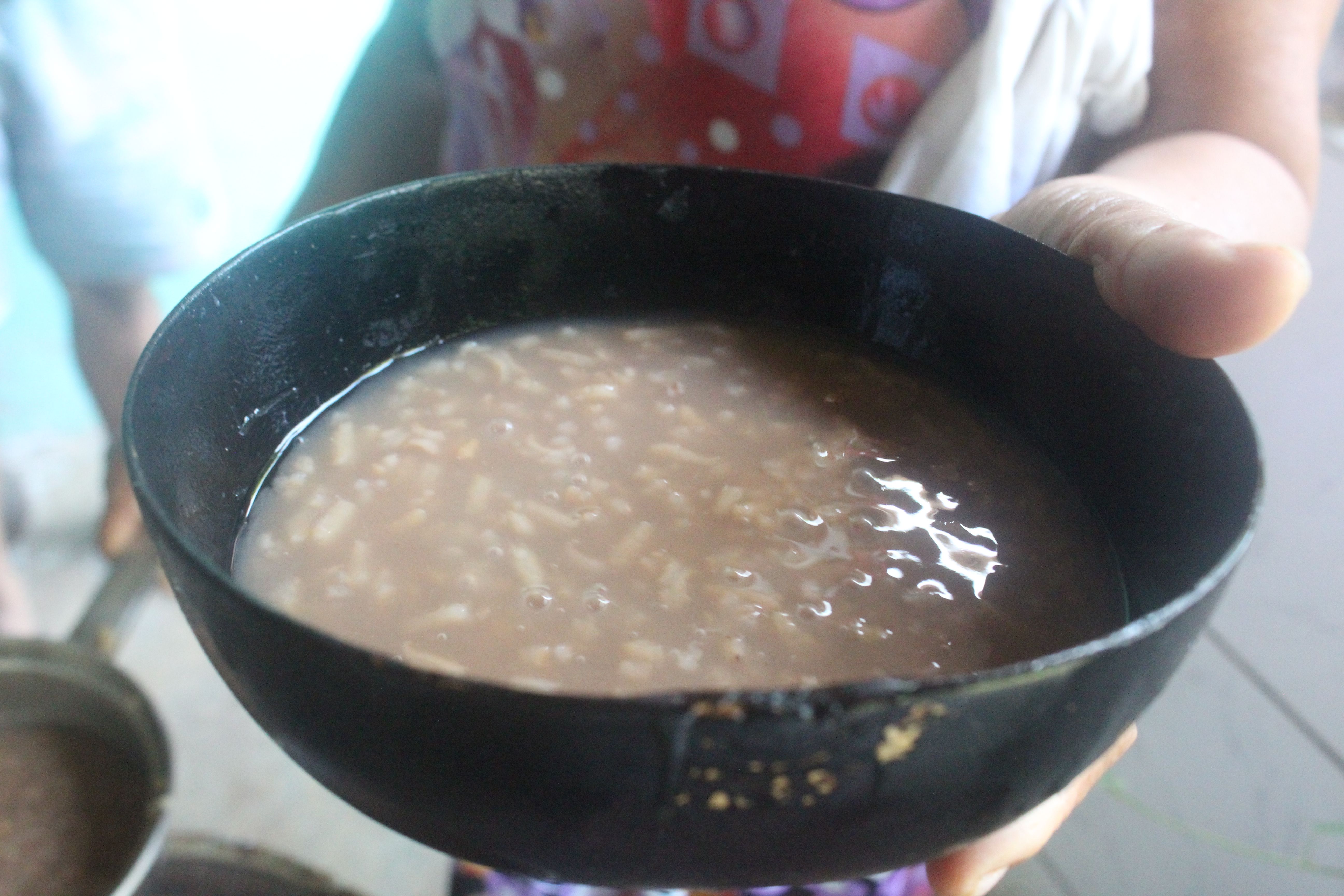
In northeastern Pará, especially in the Salgado and Bragantina regions, the day dedicated to honoring those who have passed has some particularities. Besides being a time for socializing and reuniting with friends and family, it is also marked by a food tradition that takes place practically only at this time of year: the consumption of a porridge called mandicuera, made from one of the varieties of cassava found in the Amazon, the mandiocaba.
Unlike common cassava, which is used to make farinha d’água [water-soaked cassava flour], the mandiocaba is larger, sweeter, and higher in water content (or “aguacenta” [watery], as the local people call it). The syrup of the mandiocaba, boiled and combined with rice and tapioca starch, becomes mandicuera, consumed on November 2 at the gates of cemeteries and in rural communities throughout the region. Some of the municipalities where the tradition is strong are Bragança, Augusto Corrêa, Tracuateua, Curuçá, Capanema, Primavera, and Marapanim, where the celebration is called “Arraial dos Mortos” [Festival of the Dead].
ORIGINS
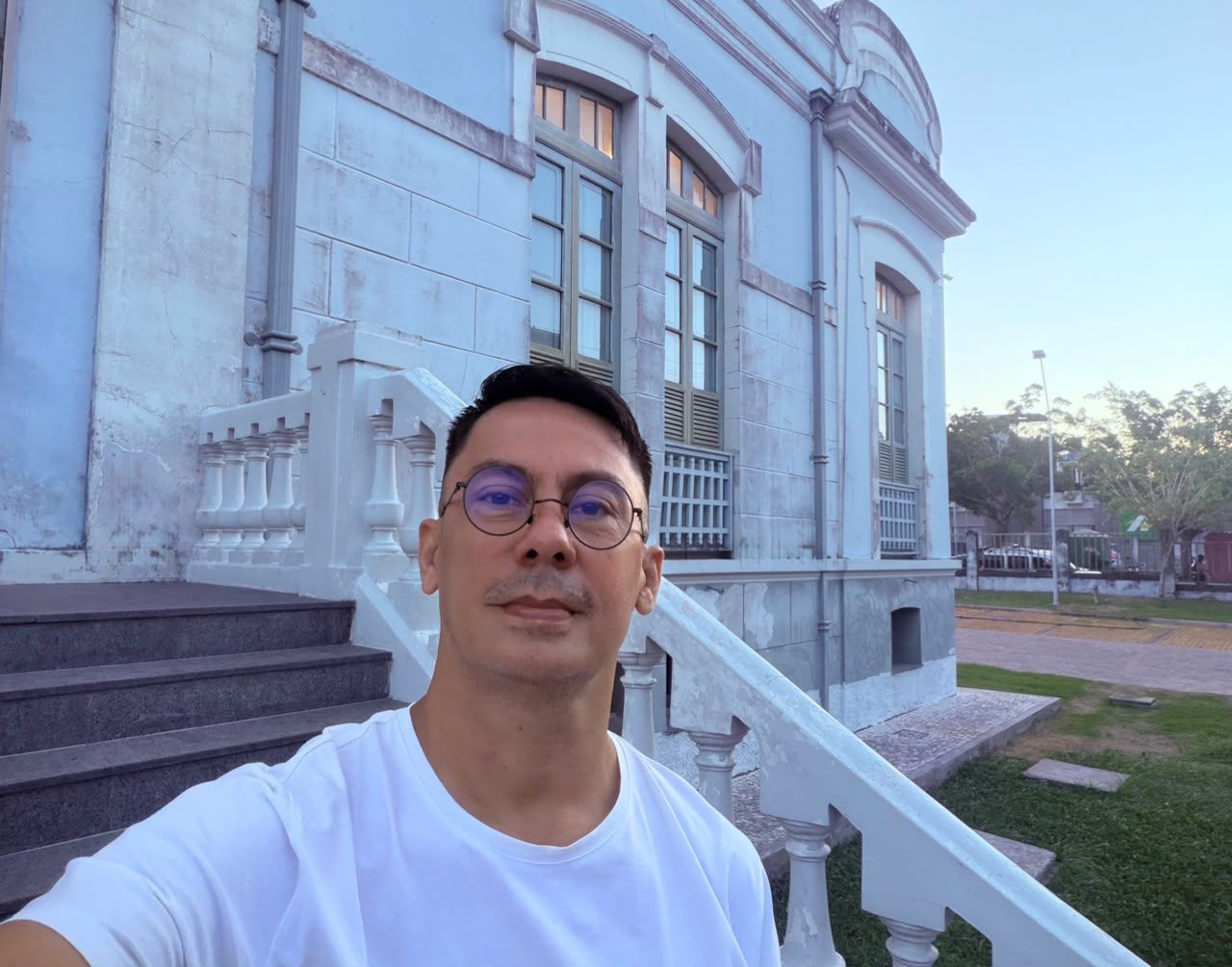
Dário Benedito Rodrigues, a professor in the History program at the Bragança campus of the Universidade Federal do Pará and a native of the municipality, links the making of this delicacy to Amazonian Indigenous peoples. “Mandicuera is a very singular porridge, and it helps build that whole identity, very close to the other products that come from cassava and form part of the Indigenous culinary tradition. In Bragança, for example, we have a very strong connection to the food custom of cassava, which links religiosity, economy, custom, and identity. There is a permanence that runs through this ancestry. It is a very distinctive porridge, which is a ritual,” says the historian.
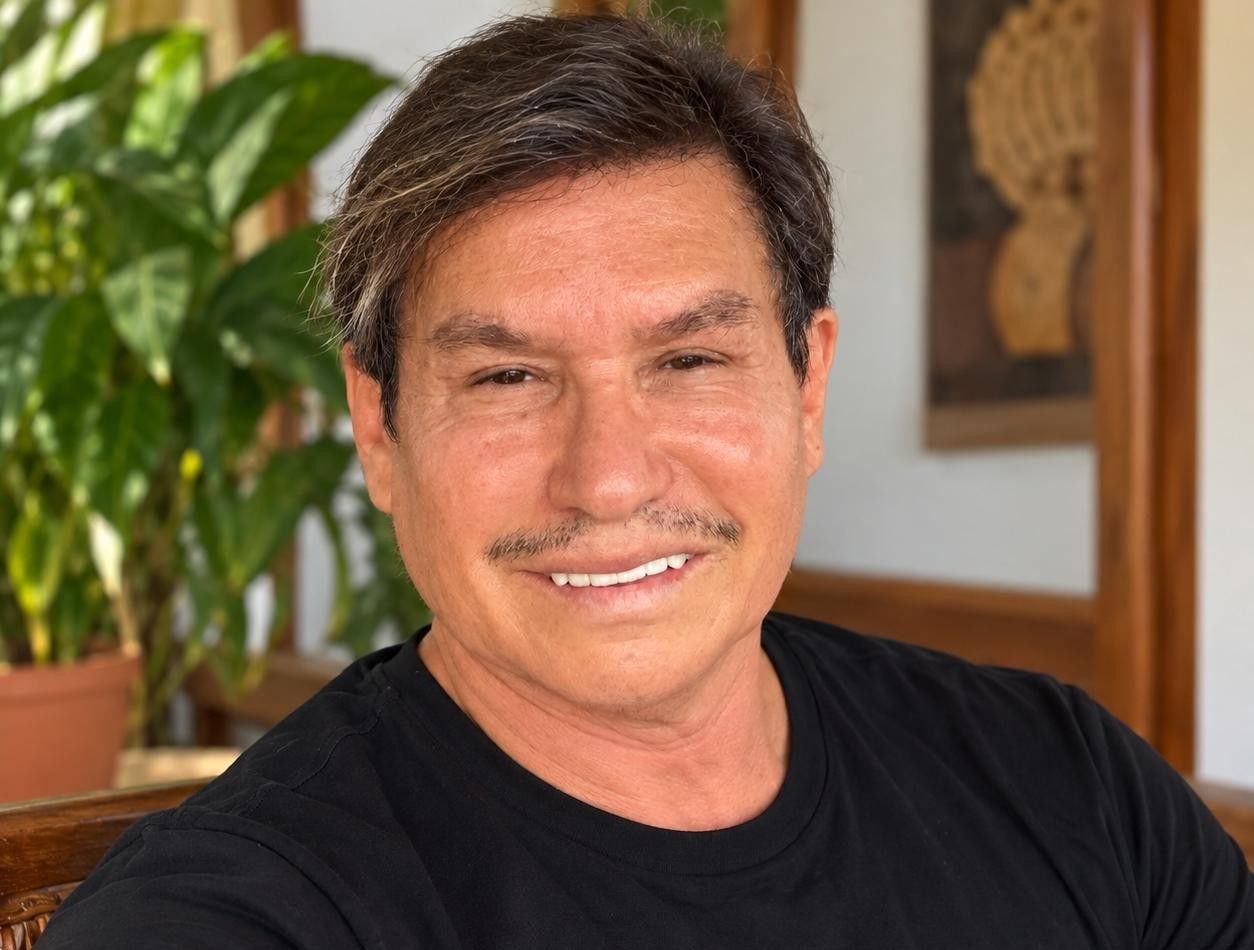
Miguel Picanço, an anthropologist of food, researcher of Amazonian food culture, and native of Augusto Corrêa, notes that knowledge about preparing and consuming mandicuera is passed down between generations. “Behind a porridge there is knowledge about the ingredients, the methods of preparation, the timing of the kitchen, the gestures learned, and the ways of recognizing when the food is ready. This knowledge is built through experience and is often transmitted within families and communities. When a person prepares mandicuera, she may be renewing knowledge she learned from her mother, her grandmother, other relatives, or older people in her community,” the specialist emphasizes.
As for the association of the porridge with All Souls’ Day, Picanço recalls that, in other times, mandicuera was served on the ninth day of the ladainha [litany of prayers] recited for a recently deceased person. “This practice was one of the ways in which the community gathered to pray, remember, and honor the person who had departed. Over time, this custom ceased to be practiced, but the relationship between mandicuera and the dead did not disappear: it was renewed and came to find in the period of Finados one of its most significant expressions, especially around the cemeteries,” the anthropologist points out.
CONNECTION BETWEEN THOSE WHO DEPARTED AND THOSE WHO REMAIN
According to Picanço, mandicuera is a ritual porridge in memory of the dead. “It is not merely a regional delicacy sold on a specific date, but a food whose production and circulation are woven into a web of historical, affective, economic, and symbolic meanings. The presence of the porridge at the cemeteries allows us to think that the relationship with the dead does not end at the moment of loss: it continues to be shaped through memories, customs, and practices that communities keep alive. Moreover, mandicuera also brings the living closer together. Its production mobilizes people, knowledge, and economic activities; its consumption fosters encounters and conversation; and its presence during Finados revives a tradition that connects different generations. We thus have an experience in which the memory of the dead and the sociability of the living are not opposed, but coexist and nourish each other,” he explains.
Historian Rodrigues also affirms that mandicuera is a ritualistic porridge. “It is produced on a large scale in northeastern Pará, especially in the custom of serving it on All Souls’ Day, but also as a welcoming porridge for people who come to visit relatives who observe the ritual of the dead, also during the period around November 2. It is served in front of the cemeteries and in rural communities throughout the region. Death is a moment of passage, but also a moment of celebration. So one celebrates the journey, the longing, the memory,” he states.
Picanço adds that food can also constitute a language through which communities remember their dead, reaffirm their bonds of belonging, and carry on the knowledge inherited from their ancestors. “The porridge lets us reflect on how the dead continue to take part in the social life of those who remain, whether through the memories they awaken, the teachings they left, or the cultural practices they helped to transmit.”
Tour guide Wilsione Tavares, born and raised in Bragança, takes part in the All Souls’ Day ritual every year. “Every year we go to the cemetery to light candles for our loved ones who are now on another plane. We usually go days earlier to clean, repaint the names, and put sand on the catacombs. The candles are lit at night, and that is when we meet people we have not seen for some time. So I can say it is a gathering of family and friends,” she says.
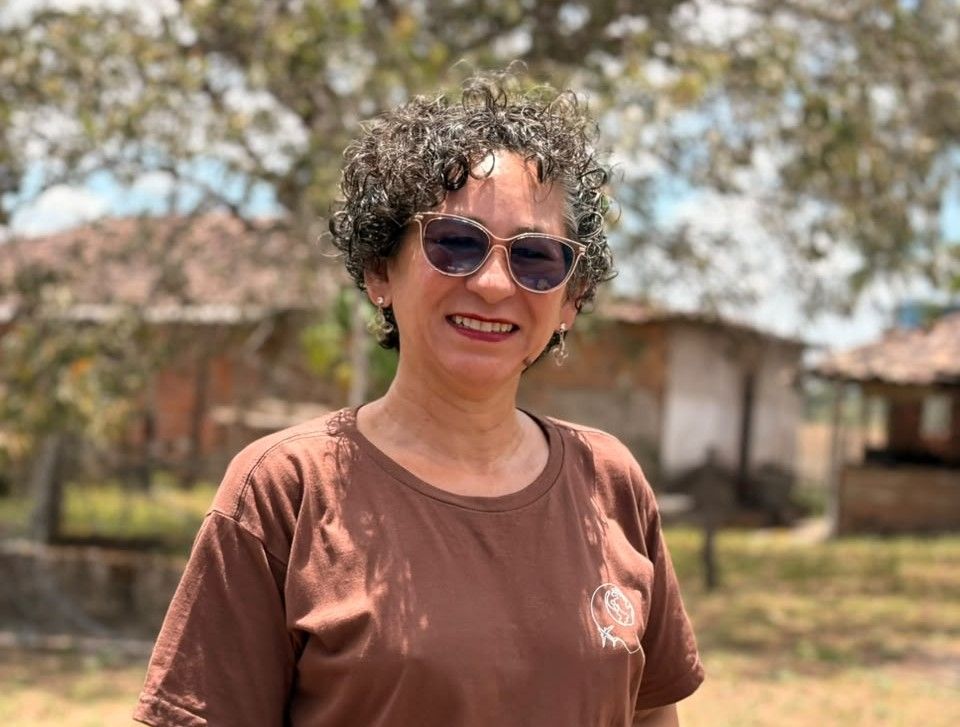
Wilsione says it is a family custom. “Our grandmother always took us to the cemetery and taught us the importance of paying this tribute to the people we love. I believe the tradition remains alive and strong among the people of Bragança. The porridge is served on All Souls’ Day as a celebration between the living and the deceased,” she says.
THE PREPARATION IS ALSO RITUALISTIC
Picanço stresses that the production of mandicuera for All Souls’ Day also involves collective mobilization. “It is marked by traditional knowledge, organization of labor, learned gestures, and ritualistic practices that give the occasion a special meaning. Therefore, the relationship between the porridge and the dead is not manifested only at the moment of consumption: it can be perceived from the cultivation of the cassava intended for its production through to the preparation and circulation of the food at this time of year,” he points out.
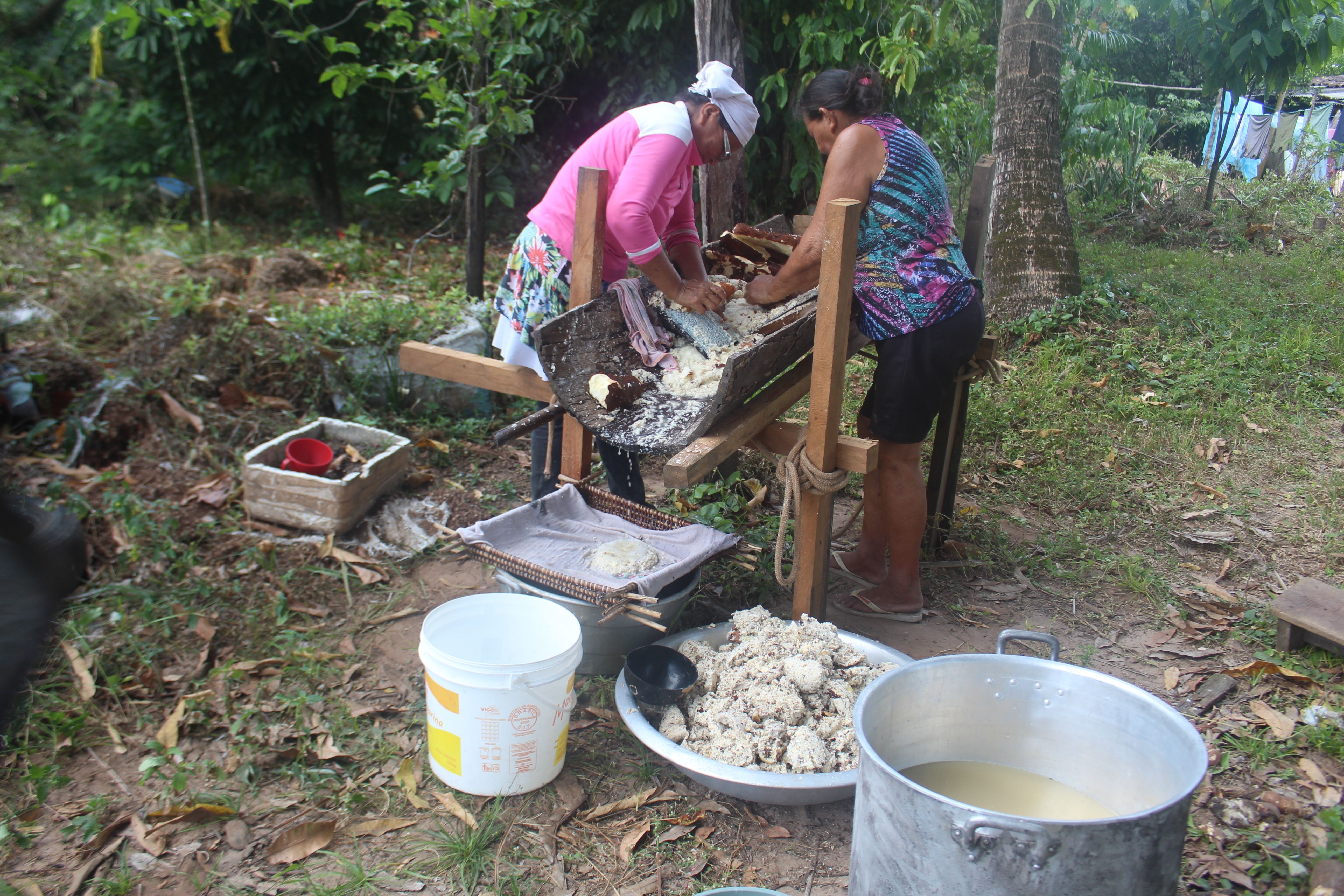
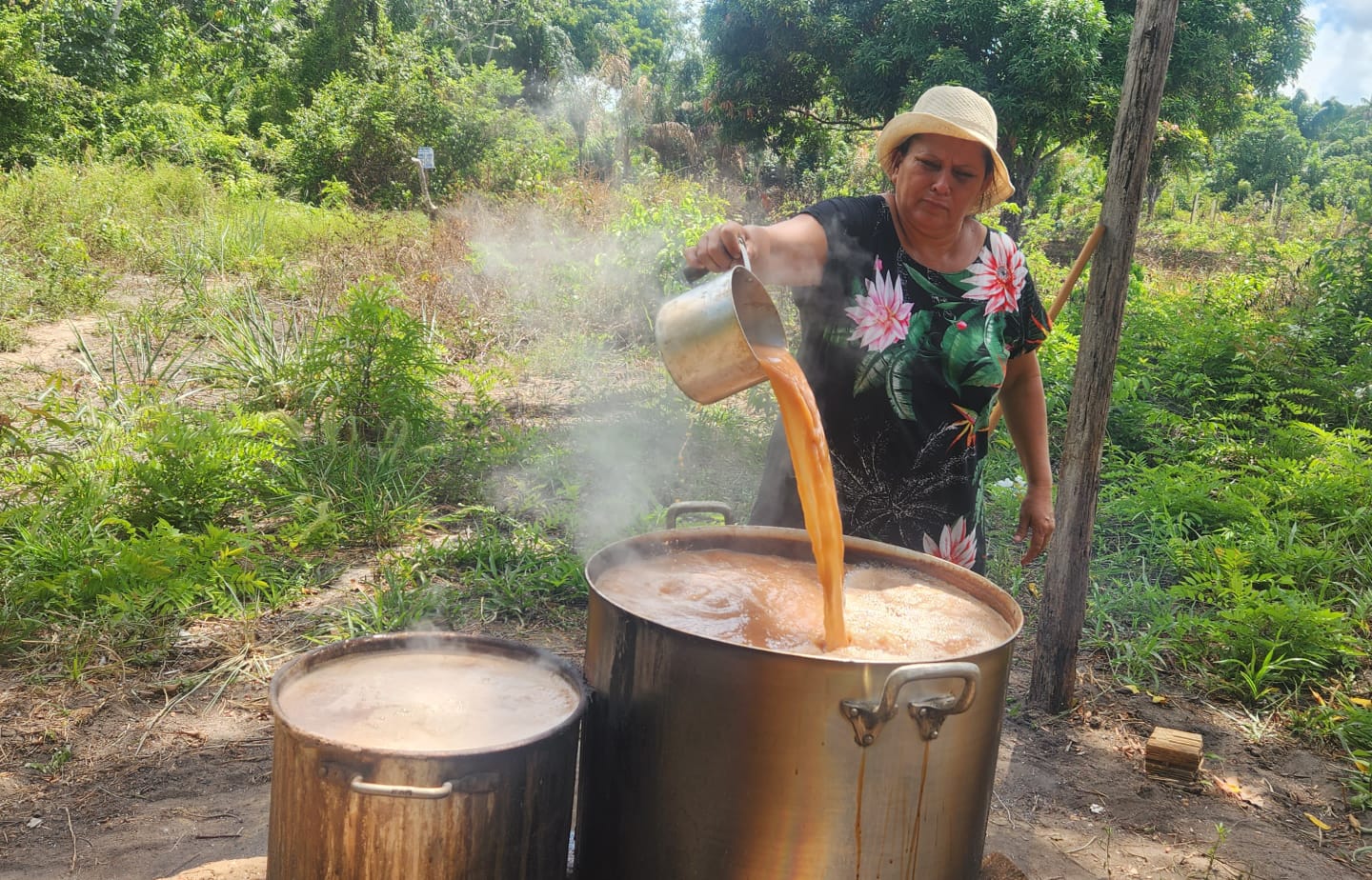
Indeed, mandiocaba is usually planted only once a year, so that the harvest takes place precisely close to All Souls’ Day. Its production involves several members of a family and can last up to 24 hours. First, the root is pulled from the ground and grated. The resulting mass is placed in the tipiti [a regional press made of woven palm straw, used to drain and dry roots] and squeezed to extract the syrup that will be used in the porridge. “Then this syrup is put on the fire and boils for a long time over firewood. With the boiling, the liquid becomes more concentrated, reddish, and sweet. Tradition dictates that it be made with firewood from trees such as ingá, braúna, and muruci do mato, which are reddish woods, since it is believed that this color helps define the dark color of the mandicuera,” reports historian Rodrigues.
In the production of mandicuera, one larger pot gives rise to the porridge: it is the one that receives all the ingredients, including the “renovas” boiled in a smaller pot and added to the larger vessel from time to time. The final stage, to “give mandicuera its ponto” [bring it to the right consistency], involves adding rice and tapioca starch. A pot of seven or eight liters receives about two kilograms of starch and three kilograms of rice. This moment also involves a specific ritual.
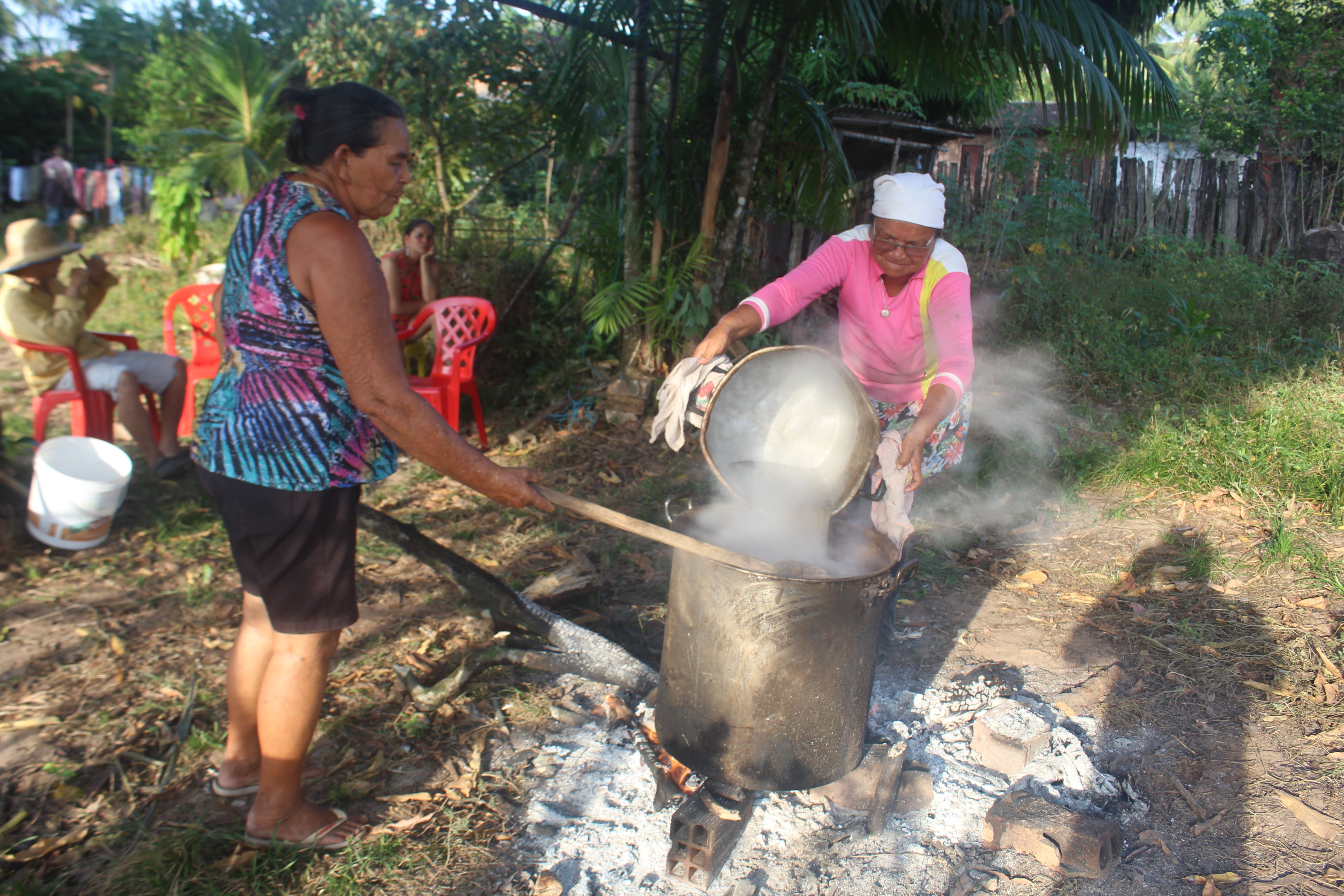
Nazaré Lisboa, a native of Augusto Corrêa, is one of the municipality’s mandicuera makers. “When we go to thicken the porridge [with the remaining ingredients], only those who were already nearby can watch the thickening. And whoever is there cannot bend down or say anything at that moment, because when a person speaks, the porridge ‘desanda’ [falls apart]. And if someone arrives who was not there before, the person cannot look at it. And this is no lie, it is even something we do not understand. Because if someone arrives at the moment of thickening and speaks, the mandicuera ‘desanda’ right away,” she explains.
MAINTAINING THE TRADITION
Nazaré Lisboa learned to make mandicuera from her father, from childhood. Twenty years ago, her parents stopped making it and she took over production, together with her siblings. But she says her children have shown no interest in learning in order to continue the family tradition, which came down from Nazaré’s great-grandparents. “So, when I am no longer here, and if there is no one else in my family to make it, my family’s tradition comes to an end,” she laments.
However, for Rodrigues, the production of mandicuera is not losing strength. “It is a product linked to the poorer population, but better-off people, even if they do not make it themselves, will buy and consume this porridge and take part in this ritual. Many people still make mandicuera and others buy liters and take them home. But it is important to maintain and promote it as part of our food culture. The main challenge is to see mandicuera beyond the All Souls’ Day calendar,” the historian opines.
According to Picanço, the issue must be understood by considering both the continuity of the tradition and the transformations that communities’ ways of life are undergoing. “Traditional food knowledge depends on people who practice it, transmit it, and recognize its importance. When new generations stop taking part in these experiences, there is a risk that certain knowledge will lose its place in everyday life. On the other hand, the presence of mandicuera producers and sellers during Finados, especially in Urumajó [the traditional name of Augusto Corrêa], shows that this practice remains meaningful for many people. The circulation of the porridge around the cemetery highlights the interplay among food tradition, memory, sociability, and income generation,” he comments.
The anthropologist believes that preserving mandicuera means recognizing and valuing the people who hold this knowledge and creating conditions for younger people to learn about it, study it, and, if they wish, continue practicing it.
“That is why I argue that mandicuera should be recognized not only as a regional delicacy, but as an expression of the social memory and food heritage of northeastern Pará. It is a porridge that helps us understand that the dead do not remain only in the places where they were buried: they also remain in the memories, the knowledge, and the cultural practices that continue to nourish the lives of those who remain,” he concludes.
INSTITUTIONAL PARTNERSHIP
The production of Liberal Amazon is one of the initiatives of the Technical Cooperation Agreement between the Liberal Group and the Federal University of Pará. The articles involving research from UFPA are revised by professionals from the academy. The translation of the content is also provided by the agreement, through the research project ET-Multi: Translation Studies: multifaces and multisemiotics.


