Is it castanha-do-pará, castanha-da-amazônia, or castanha-do-brasil? The answer to this question may vary depending on the Brazilian state and can even spark heated debates that have already circulated on social media.
The official name of the seed from the Bertholletia excelsa species nut tree, native to the Amazon, according to federal law, is castanha-do-brasil, as the product is known abroad - Brazil nut in English, noix du Brésil in French, or nuez de Brasil in Spanish. However, a law enacted last year in the state of Amazonas determines that the product must be marketed as castanha-da-amazônia within that state. In Pará, in turn, the castanha-do-pará has been declared an item of the state’s intangible cultural heritage.
Regardless of the controversies surrounding the name, there is no disagreement about the product’s importance, both economic and cultural, to the entire Amazon region - not only the Brazilian portion. Brazil is only the world’s second-largest producer of this nuts species; the leading country is Bolivia. Within Brazilian territory, Amazonas is the largest producer, followed by Acre, with Pará in third place. Between 2020 and 2024, the total annual production in the country ranged from 33,000 to 38,000 tons.
Although consolidated figures for the most recent year are not yet available, it is already known that the 2024/2025 Bertholletia excelsa – Brazil-nut harvest suffered a drastic decline of up to 71%. This is indicated by a study conducted by the Kamukaia Network, a collective of researchers from various units of the Empresa Brasileira de Pesquisa Agropecuária (Embrapa) [Brazilian Agricultural Research Corporation], located in nearly all states of the Legal Amazon, the network studies the management of non-timber forest products in the region, such as Brazil nuts, andiroba, and copaiba.
CLIMATE
According to the study, the reduction in the harvest occurred across the various areas analyzed by the group, which found that it was not a localized phenomenon but one that affected the entire Amazon. The conclusion is that the shortage resulted from climate change, which severely impacted the region in 2023 and 2024.
Patrícia da Costa, a biologist at Embrapa Meio Ambiente [Embrapa Environment] and a member of the Amazon Nut Observatory [Observatório Castanha-da-Amazônia], explains that the drought of previous years was only felt in 2025 due to the species’ characteristics. “The nut tree has a very long fruiting cycle, which is supra-annual: it begins in one year, matures over 12 to 18 months, and only in the coming year does the fruit fully ripen. The influence of El Niño in 2023 and 2024, along with severe drought and high temperatures, with reduced rainfall across the entire Amazon basin, contributed to the reduction in the nut production in the following year – that we call the 2024-2025 harvest –, which, in most of the region begins in December and runs until March,” she explains.
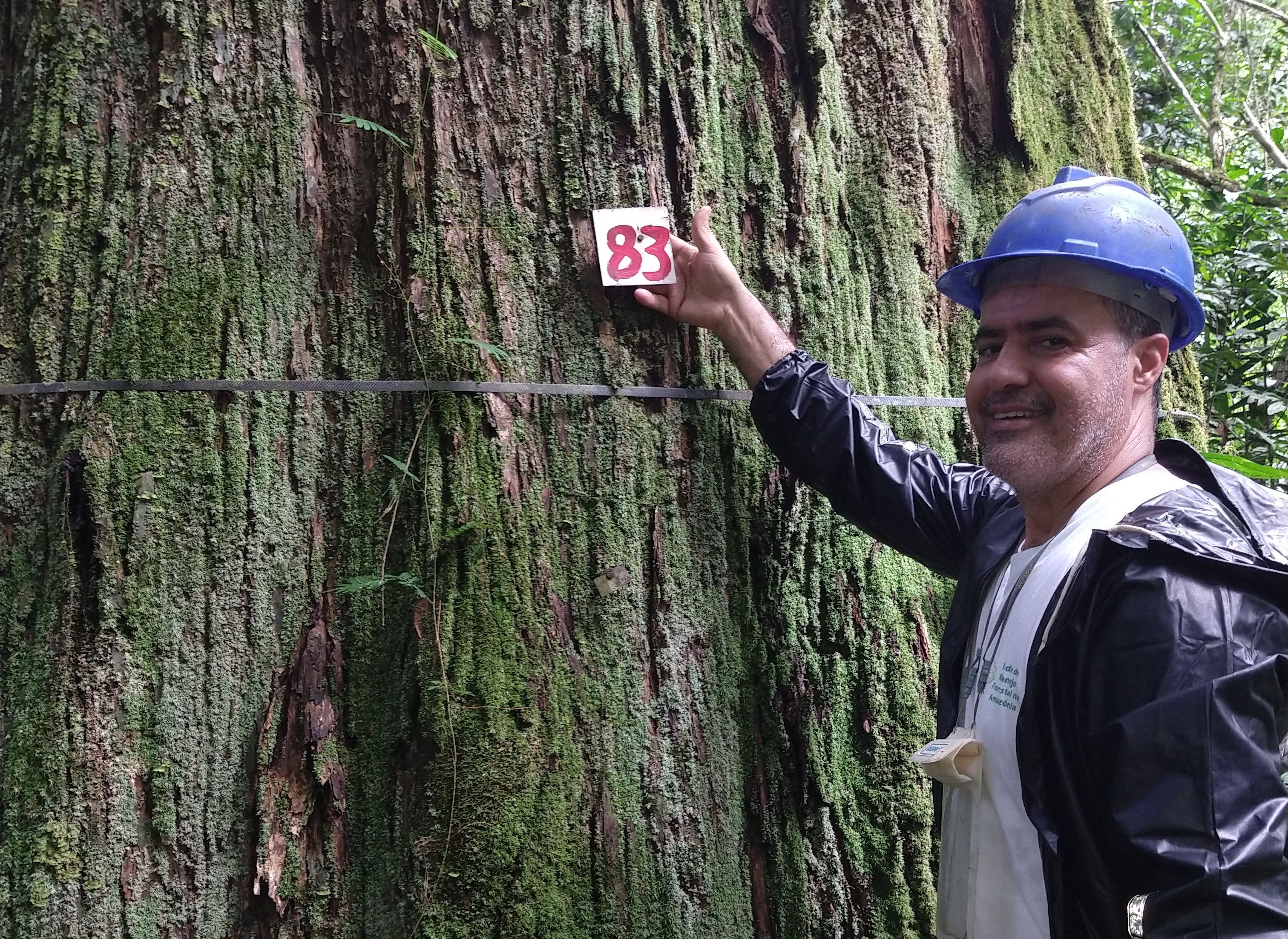
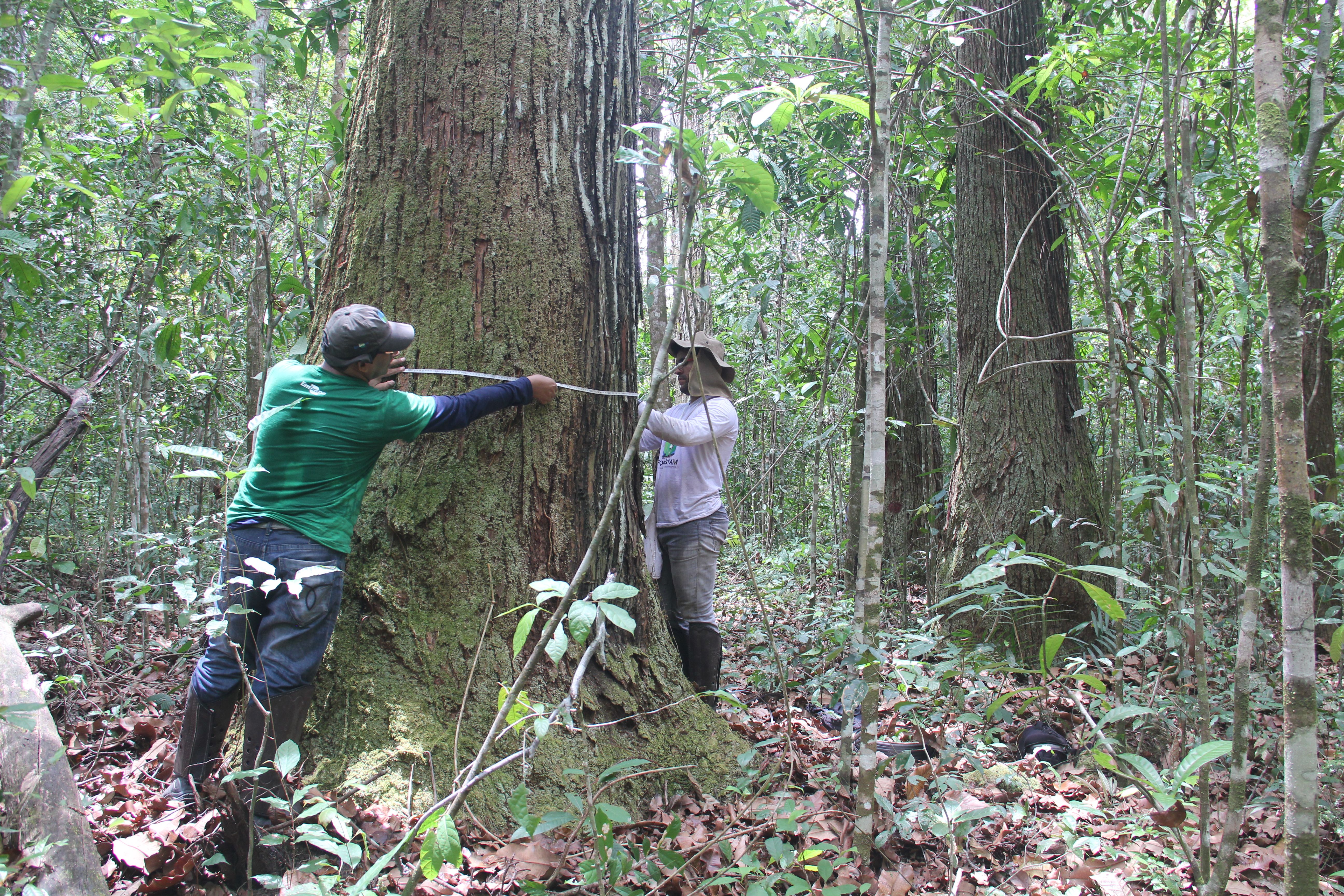
The Kamukaia Network has been monitoring forest areas for approximately 20 years by means of the so-called permanent sample plots: fixed and demarcated areas within forests where growth, dynamics, and health of trees are studied over time. The so-called “crop failure” of the Brazil nut harvest occurred in all the sample plots analyzed, demonstrating that the entire region was affected.
“We carry out monitoring throughout the year. In addition to the monitoring itself, we keep very close collaboration with extractivists, who also reported this crop failure. A major reduction in the harvest had already occurred in 2017, also due to El Niño,” Patrícia recalls. However, throughout the entire monitoring period, the losses had never been so severe.
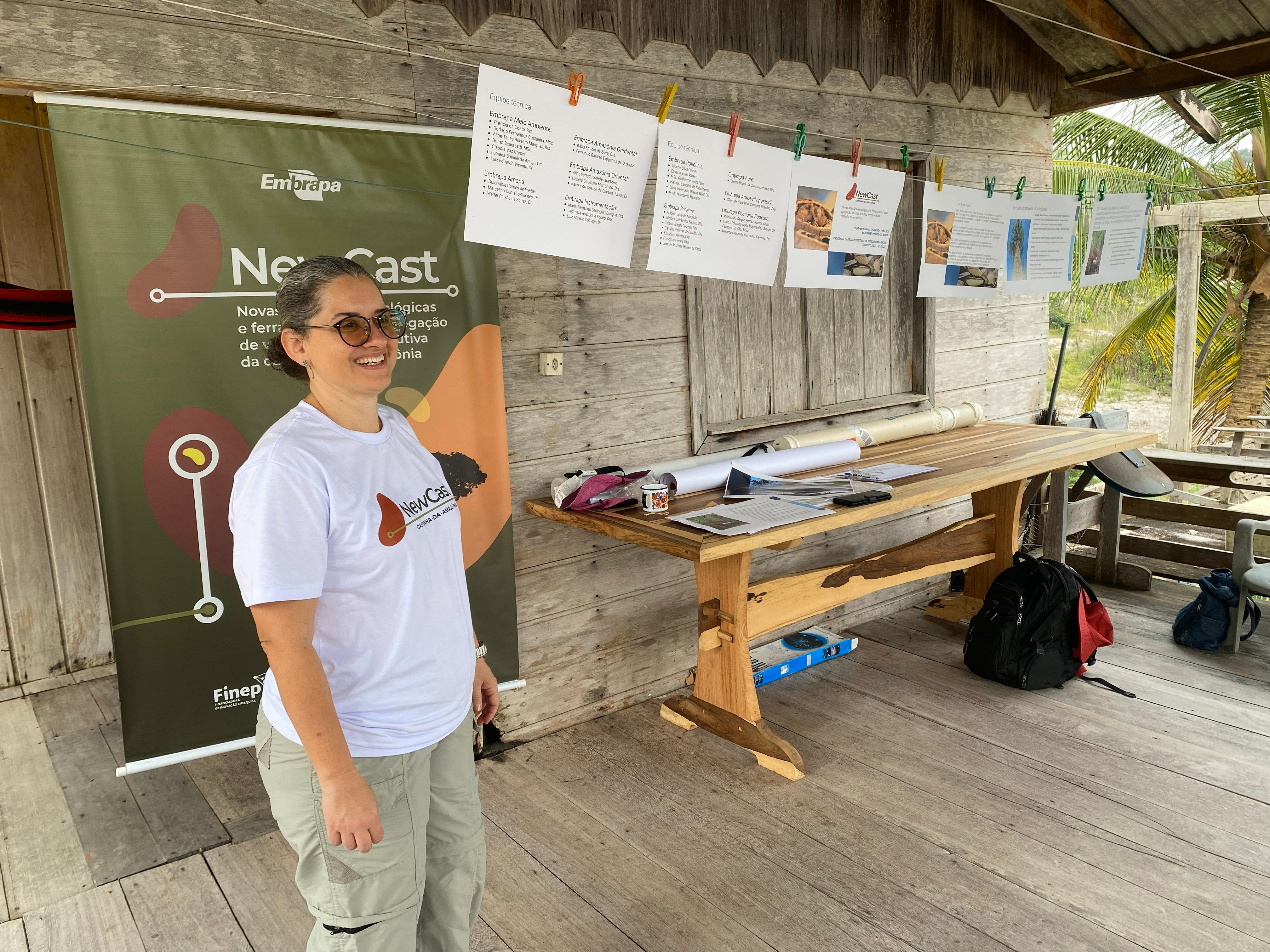
“We had another poor harvest in 2017, but 2025 was the worst year on record. Based on medium and long-term data, we were able to confirm that this situation affected the entire Amazon. Data from permanent monitoring plots indicate that this is a global phenomenon, clearly linked to climate change. By tracking temperature and rainfall levels, we were able to associate the sharp drop in production mainly with rising temperatures,” says Marcelino Guedes, a forest engineer at Embrapa Amapá.
The researcher focused specifically on the decline in Bertholletia excelsa nut yields in the southern region of Amapá, within the Cajari Extractive Reserve. “We confirmed that maximum temperatures increased by more than 2°C, combined with anomalies in the Pacific and Atlantic oceans, creating a connection with local climate patterns. This rise in temperature affected not only the nut production, but also several other non-timber forest products and the very means of subsistence of people in the Amazon,” Guedes adds.
“A large population depends on the nut extraction”
The consequences of the drastic decline in the harvest are severe. “The impacts on extractivist communities are highly significant, since a large population depends on this species harvesting. These impacts are both economic, because it represents an important source of income and related to ways of life, as many families have traditional practices of using nuts in their food tradition,” highlights the biologist Patrícia da Costa.
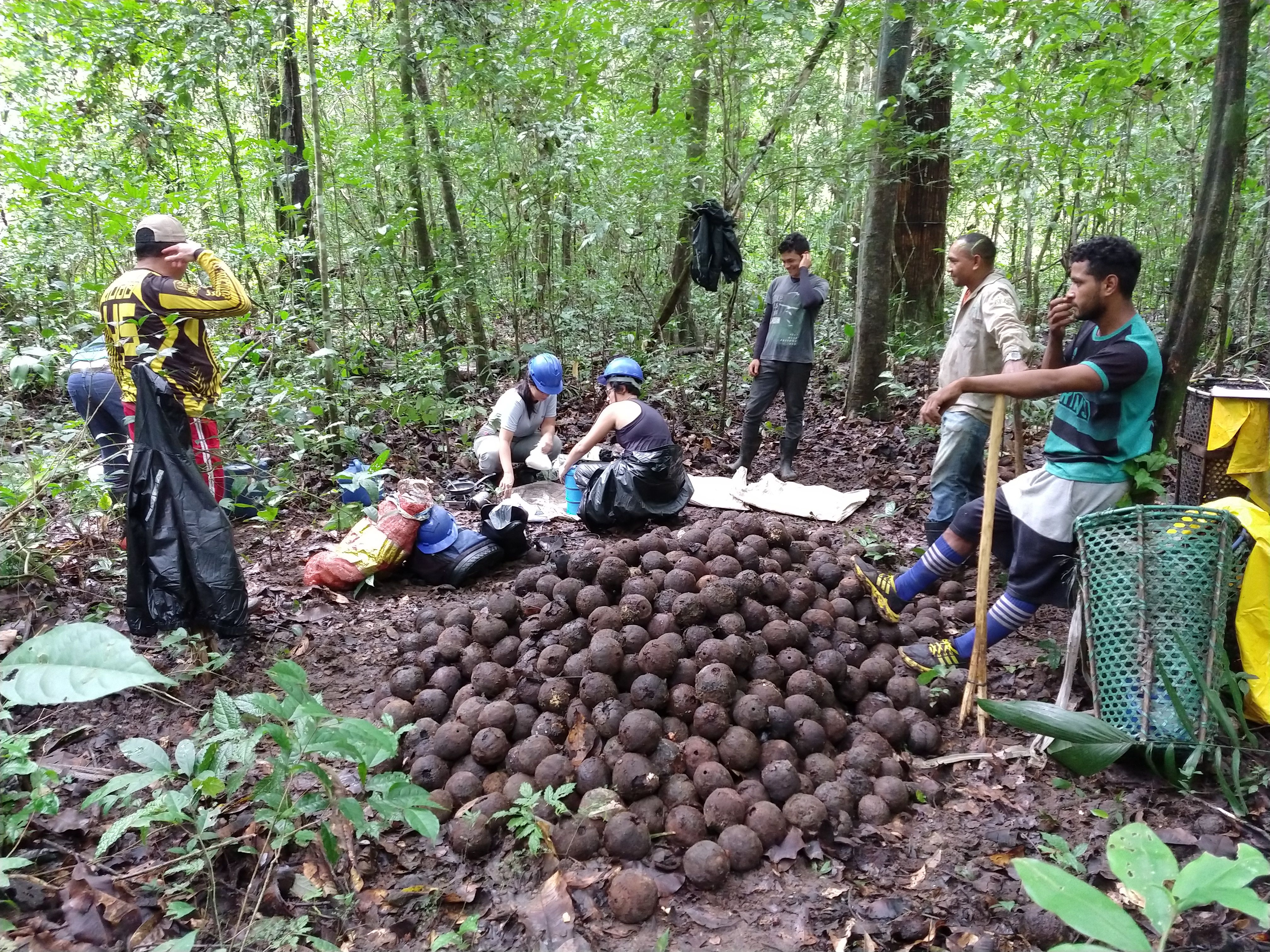
Marcelino Guedes says that some nut platation fields produced almost nothing, especially the older nut trees, which are more sensitive to climatic stress. “We say that extractivists who needed a nut urchin [fruit of the Brazil nut tree, from which the seed is extracted] could not find one in some areas, even to make medicine. This had a direct impact on extractivists, affecting their only source of income. The only time they are able to secure significant earnings is during the nut harvest, when they sell their production. Throughout the rest of the year, they usually practice subsistence farming, mainly producing cassava flour and selling any surplus,” the forest engineer explains.
PRICES
In addition, low supply has driven prices sharply higher. “Nuts are usually sold by the hectoliter, which typically costs around R$300. In 2025, the price reached R$1,200 because production was low across the entire Amazon. But there is little benefit in having such a high price if extractivists do not have enough production to sell,” Guedes points out.
Patrícia also highlights another issue. “In years of high production, the price of nuts rises sharply, prompting many people who are not traditionally involved in this type of extractivism to try to enter areas that have long been used by other communities, because Brazil nuts are ‘worth their weight in gold.’ Across much of the Amazon, collection areas are traditionally associated with specific groups, which ends up generating conflicts,” she says.
Communities invest in alternative sources of income
Elziane Souza, a resident of Água Branca do Cajari community in the municipality of Laranjal do Jari, in the state of Amapá, has worked in nut extractivism since she was 16, following a family tradition. She was among those affected by the decline in production.
“The 2025 harvest was extremely low. Some nut collectors were unable to gather anything at all, there were areas where nut forests produced nothing, and people could not even collect a single can. This is the main source of income for the population here in the Cajari Extractive Reserve. We have been experiencing a very strong impact from the reduction in the harvest. I have worked in this activity for a long time, and in my view, this was the smallest harvest I have ever seen. Some Brazil nut areas suffered from leaf scorch and are only now beginning to recover,” she reports.
According to Elziane, the alternative was to invest in family farming in order to secure some income. “It is already customary, part of our tradition, to have two lines of work. We work with nuts during the harvest season, and when that season ends, we turn to agricultural production, growing products from family farming,” she explains.
AÇAÍ
The extractivist Maiko Silva, from the Marinho community, also in Laranjal do Jari, turned to açaí to secure his family’s livelihood. “We also work with açaí, and fortunately we had a good harvest. There was plenty of açaí in our area, and prices were favorable,” he says, stressing that the situation was the opposite of what happened with Brazil nuts. “In 2025, we had a very poor Brazil nut harvest. There was a disease known locally as queima, which sharply reduced all the production,” he laments.
New Year expected to bring a bumper harvest
Despite the crop failure in the 2024/2025 season, Patrícia da Costa explains that a bumper harvest is expected in the next cycle. “In the year following an extreme climate event, nut trees tend to respond by producing more flowers, because the factors causing the drop in production have ceased. With intense and well-distributed rainfall across the Amazon, the trees respond by producing a much larger number of flowers and fruits. This is a physiological response common to species that undergo this type of stress. For this reason, we are expecting a bumper harvest in 2025/2026,” she says.
What could be good news, the higher productivity of our nut forests, may take time into positive results for extractivists. “The trend is for overproduction and a subsequent drop in prices. As a result, extractivists can suffer for a long time. After the 2017 harvest failure, we observed that it took a long time for Brazil nut prices to stabilize in comparison to the levels seen before the low harvest,” she notes.
SOLUTIONS
If the decline in the harvest is linked to climate change, and the world has failed to contain global warming, is there anything that can be done to improve production even in the face of extreme events? Marcelino Guedes answers positively.
“To reduce these problems, we have been developing, especially at Embrapa Amapá, a management recommendation called Castanha na Roça. This involves managing the natural regeneration of Brazil nut trees, which occurs much more in areas of shifting agriculture. There are far more young Brazil nut trees in the fields and secondary forests than within the primary forest itself. The agouti, which is the main disperser of nut trees, ends up carrying more nut urchins to these areas, where there is additional food and where they are better protected,” explains the forest engineer.
“So, we carry out this management, also promoting enrichment with seedlings that have already been selected, based on years of monitoring, we know which trees are the most productive. In this way, we collect seeds and grow seedlings to enrich these areas, alongside the nut trees that the agouti has already helped plant, promoting the regeneration of the Brazil nut forests. This is a more urgent measure we have been working on, because younger Brazil nut trees are more resilient and less affected by extreme events,” the researcher adds.
Guedes highlights the importance of this regeneration work for the future of nut production. “Our nut is the second most important non-timber forest product in the Amazon, second only to açaí. In a good harvest, they generate nearly R$2 billion for the region. It is a highly valued product, including for export. Thousands of extractivist families depend on it for their livelihoods. That is why we need to work in support of Brazil nut production,” Guedes says.
INSTITUTIONAL PARTNERSHIP
The production of Liberal Amazon is one of the initiatives of the Technical Cooperation Agreement between the Liberal Group and the Federal University of Pará. The articles involving research from UFPA are revised by professionals from the academy. The translation of the content is also provided by the agreement, through the research project ET-Multi: Translation Studies: multifaces and multisemiotics.