The conclusions are signed by the State University of Campinas (Unicamp), the Environmental Research Institute of the Amazon (Ipam), the National Institute for Space Research (Inpe) and Lancaster University, from the United Kingdom.
The work is the result of the AIMES (Analysis, Integration and Modelling of the Earth System) project, linked to the international Future Earth initiative, which brings together scientists and researchers who study sustainability. The findings result from an analytical review of scientific data based on previously published satellite imagery and ground data on changes in the Amazon region between 2001 and 2018. The authors define the concept of degradation as transient or long-term changes in forest conditions caused by humans. Degradation differs from deforestation in that the latter involves changes in land cover - that is, in deforestation, the forest ceases to be forest.
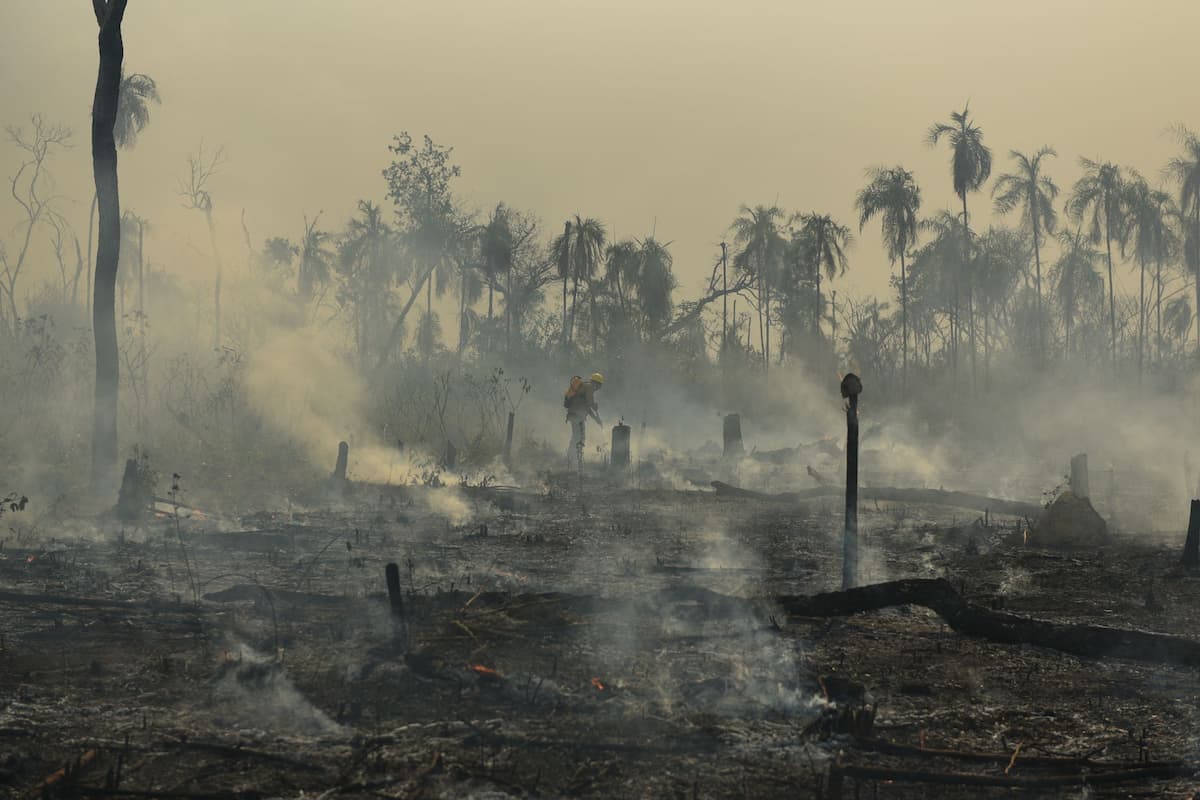
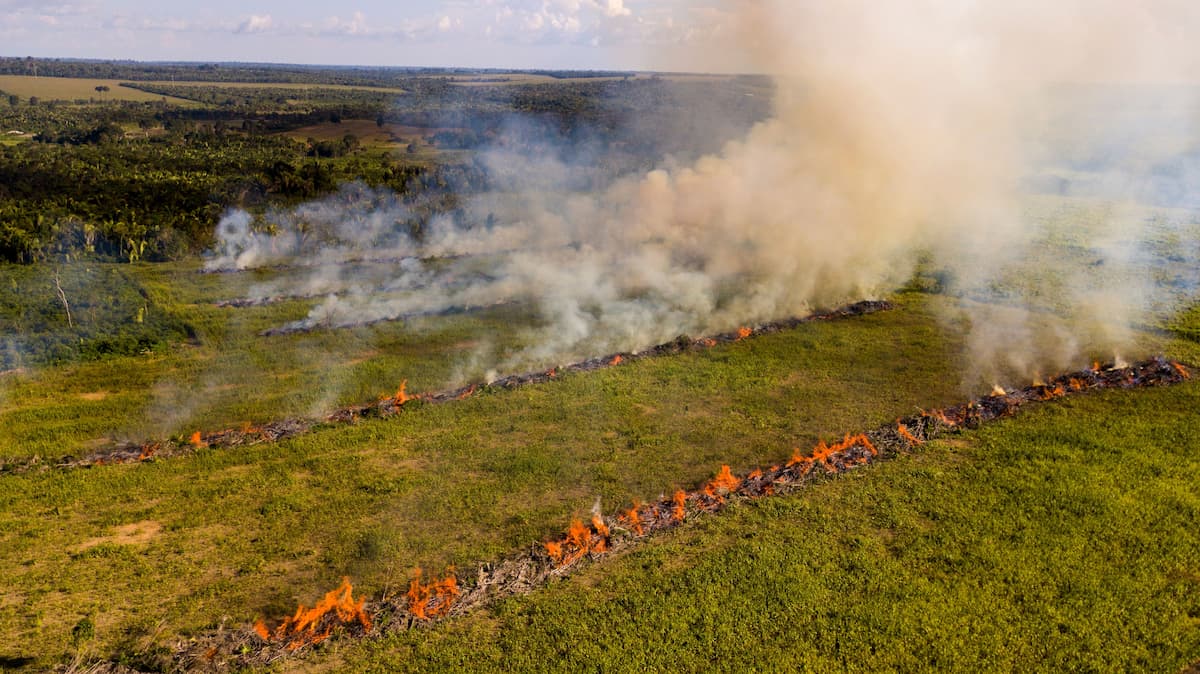
Four main factors of degradation were considered: fire in the forest, edge effects (the changes that happen in forest areas next to deforested areas), selective logging (such as illegal logging), and extreme droughts. Different forest areas can be affected by one or more of these factors, which have different origins. "Despite uncertainty about the total effect of these disturbances, it is clear that the total effect may be as important as the effect of deforestation for carbon emissions and biodiversity loss," says Jos Barlow, a researcher at Lancaster University in England and coauthor of the study.
In addition to the effects on climate and biodiversity losses, scientists assess that Amazon degradation has significant socioeconomic impacts that should be investigated further in the future. "Degradation favors the few, but takes burdens on the many," says David Lapola, researcher at CEPAGRI (Center for Meteorological and Climatic Research Applied to Agriculture), at Unicamp and leader of the study.
"Few people profit from this process and many lose out in terms of health, quality of life, and identification with the place where they live," adds Patricia Pinho, researcher at the Amazon Environmental Research Institute (IPAM) and co-author of the study.
In a projection made by the team for 2050, the four degradation factors will continue to be the main sources of carbon emissions into the atmosphere, regardless of the growth or cessation of deforestation of the forest. "Although it seems obvious, even in an optimistic scenario, when there is no more deforestation, degradation continues to be a carbon emission factor, mainly due to climate change," says Lapola. For the scientist, preventing the advance of deforestation can contribute to more attention being directed to other factors of forest degradation.
The authors of the article propose the creation of a monitoring system for degradation, in addition to preventing and curbing illegal logging and controlling the use of fire. One of the suggestions is the concept of "smart forests" that, like the idea of "smart cities", would use different types of technologies and sensors to collect useful data in order to improve the quality of the environment. "Public and private actions and policies to curb deforestation will not necessarily solve degradation either," Lapola evaluates. "It is necessary to invest in innovative strategies," he adds.