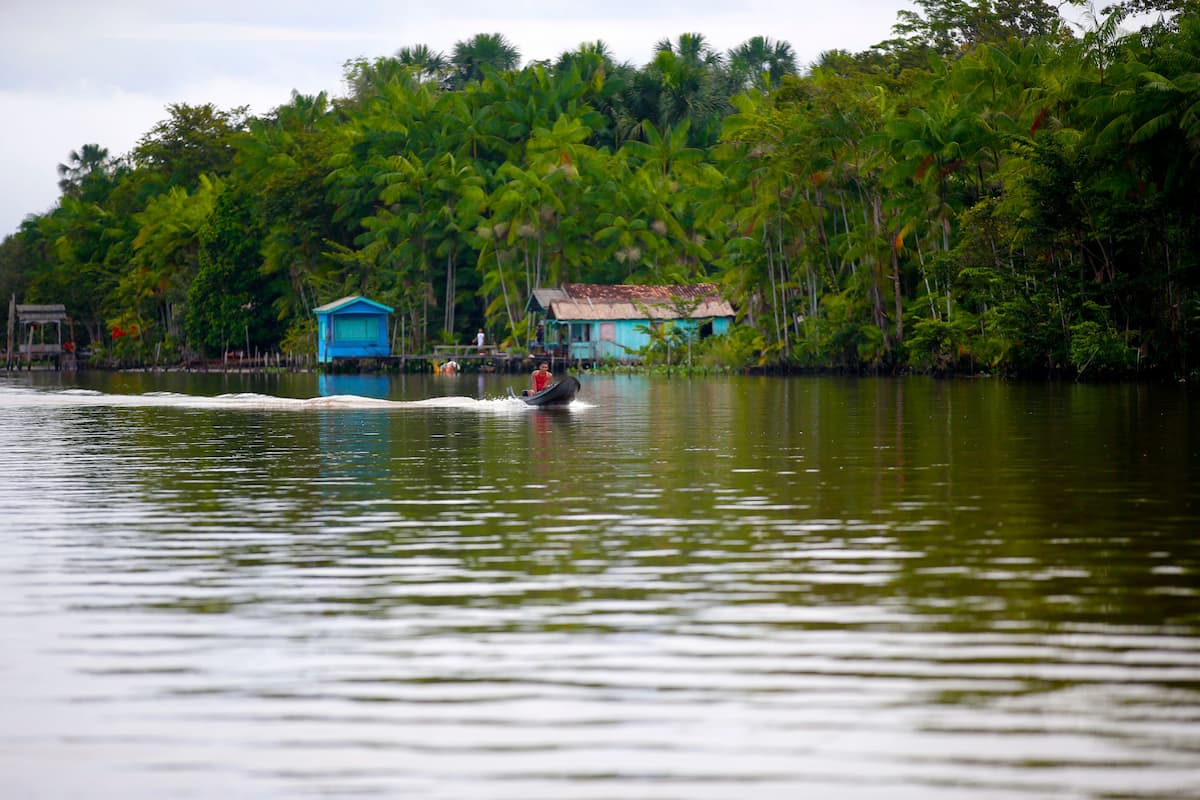
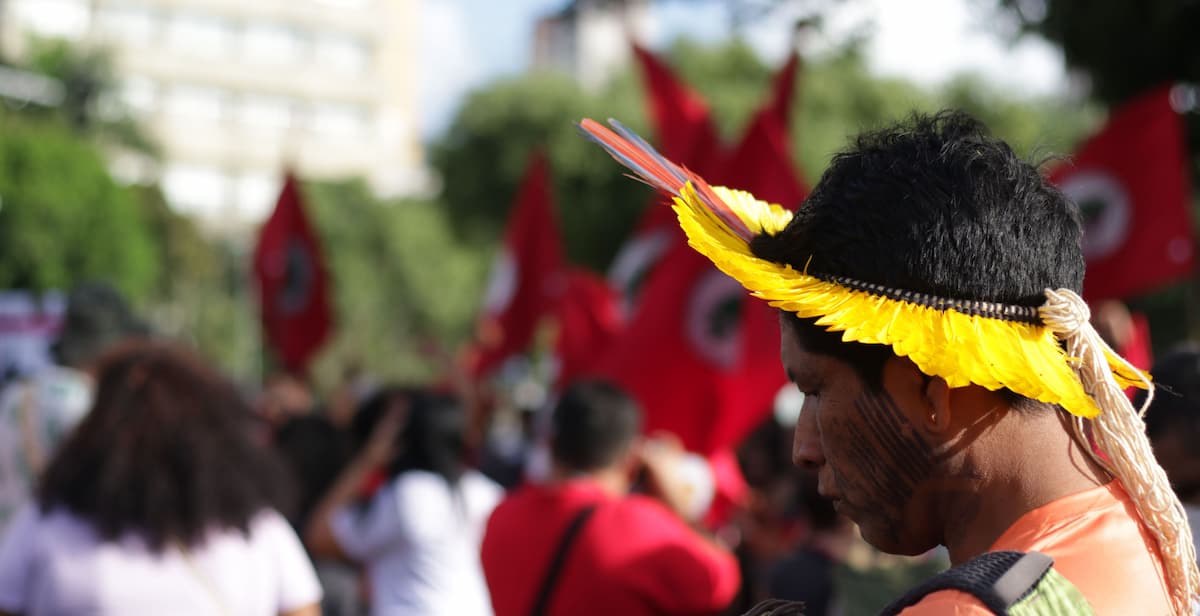
“For us, indigenous peoples, keeping the forest standing is keeping life alive. We seek to preserve the balance of nature. We have been practicing this for a very, very long time.” The statement is from Adriano Karipuna, a leader from the Karipuna Indigenous Territory (TI), in northwestern Rondônia, located in the municipalities of Porto Velho, Nova Mamoré, and Buritis.
The Karipuna Indigenous Territory is one of the Amazonian indigenous lands with zero deforestation recorded between August 2025 and July 2026, according to an analysis by the Instituto do Homem e Meio Ambiente da Amazônia (Imazon) [Amazon Institute of People and the Environment], an environmental organization based in Belém. The data comes from the Sistema de Alerta de Desmatamento(SAD) [Deforestation Alert System], an Amazon Legal monitoring tool developed by Imazon that uses satellite imagery to detect deforestation and forest degradation.
Zero deforestation in the Rondônia Indigenous Territory over the past year comes as a relief to the Karipuna people, after decades of facing all kinds of invasions destroying their lands, whether from illegal miners, loggers, or cattle ranchers. In 2018, Adriano Karipuna even denounced the situation at the United Nations Permanent Forum on Indigenous Issues. “I came to the UN [United Nations] to ask for help so that a massacre against my people does not happen,” was his appeal at the time.
The most preserved territories
According to the Imazon analysis, indigenous lands accounted for only 1.7% of all deforestation in the Amazon during the 12 months surveyed, despite representing 23% of the region. Of the 2,702 km² deforested in the region between August 2025 and July 2026, only 46.96 km² occurred inside Indigenous Territories. Almost 60% of indigenous lands had zero deforestation during this period. Among the 40% that experienced deforested areas, only eleven Indigenous Territories recorded deforestation greater than 1 km².
Other studies also confirm that indigenous lands are the most preserved in Brazil. An analysis by MapBiomas, a multi-institutional network that maps land cover and use in the country, highlighted in 2024 that Indigenous Territories lost only 1% of their native vegetation between 1985 and 2023, while private lands lost around 28%.
“Within our worldview, in indigenous cosmology, we observe that there is a balance in nature. One species respects another, whether animals or plants. There are species that kind of disappear and reappear during the dry season. Others appear during the Amazonian winter. There is balance in this diversity, and that is what we, indigenous peoples, seek to maintain,” explains Adriano Karipuna.
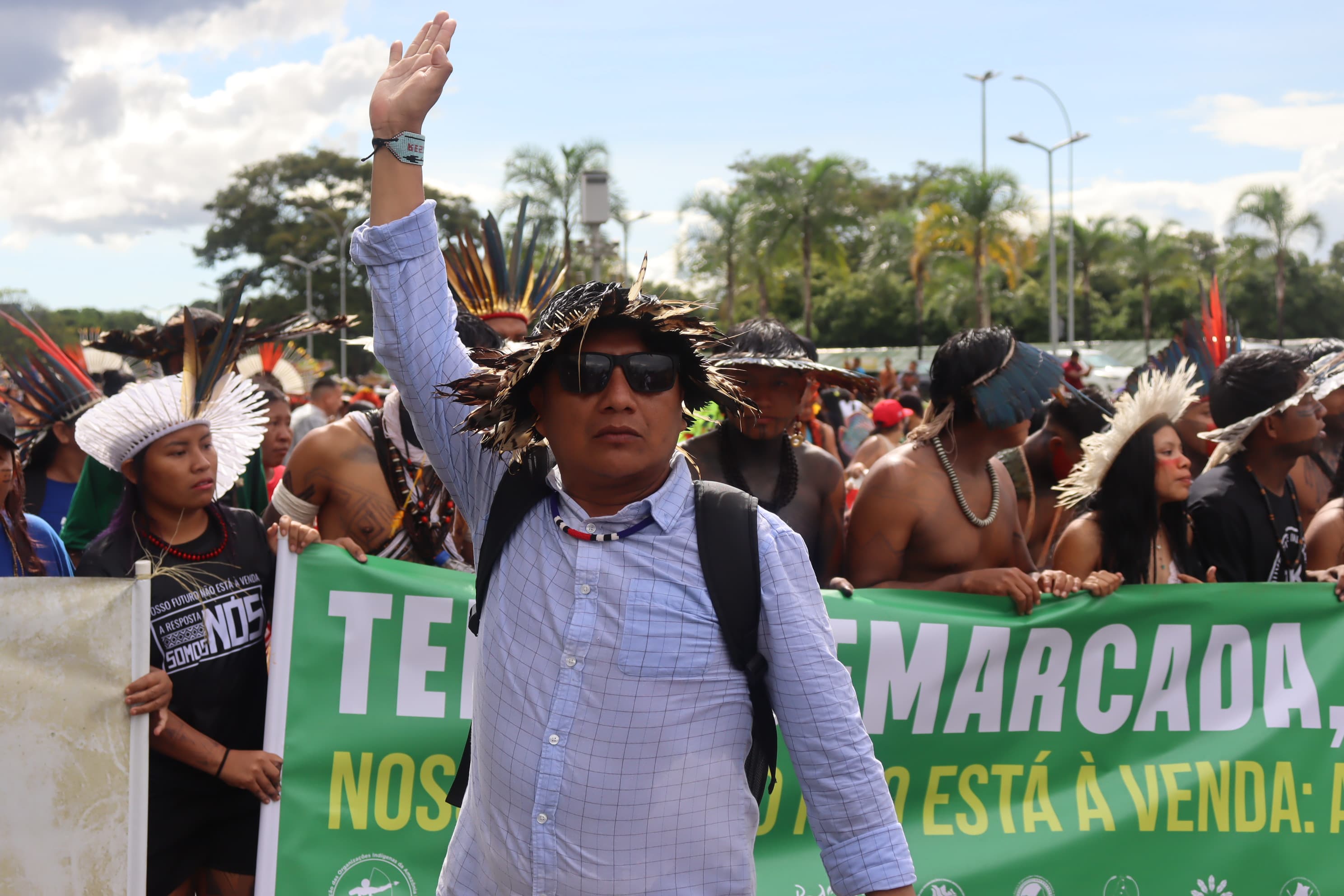
According to forest engineer Manoela Athaide, one of the Imazon researchers responsible for the study, indigenous lands are historically the territories with the lowest deforestation rates. “Even though it is a small number of square kilometers of deforested area, this deforestation still occurs, and it shouldn't happen. When we see these lower numbers, it means that the protected area function is being fulfilled. However, we must emphasize that despite the decrease, there is still pressure surrounding these areas, what we call the buffer zone, which continues to harm the people who live there and use the resources of the Indigenous Territory”, the specialist warns. The most deforested indigenous territory during the period was the Cachoeira Seca TI, in Pará, with 4.44 km² devastated.”
Largest reduction in deforestation in a decade
According to Imazon, the period from August of one year to July of the next is called the “deforestation calendar” by Amazon monitoring systems. The 2025–2026 period, according to the Institute's study, showed a 23% drop in deforestation compared to the previous calendar (2024–2025). The total deforested area of 2,702 km² was the lowest in the last eleven calendars, representing more than a decade.
In addition to indigenous lands, other protected areas include unidades de conservação (UCs) [conservation units], such as Áreas de Proteção Ambiental (APA) [Environmental Protection Areas], Reservas Extrativistas(Resex) [Extractive Reserves], or Desenvolvimento Sustentável(RDS) [Sustainable Development Reserves]. During the period studied, conservation units accounted for 239.76 km² of deforestation, which corresponds to 9% of the total recorded in the Amazon. In this land category, 63% experienced zero deforestation, and only 32 of them recorded clearing greater than 1 km². The negative highlight was the Triunfo do Xingu APA, located between São Félix do Xingu and Altamira in Pará, with 90.87 km² deforested. For comparison, second place went to the Altamira National Forest, with 25.96 km². “This issue of advancing deforestation in the Triunfo do Xingu APA is nothing new. For years, this protected area has been among those suffering the most from native vegetation destruction,” comments Raíssa Ferreira, also an Imazon researcher.

According to Manoela Athaide, there is a difference in the level of preservation between Indigenous Territories (TIs) and Conservation Units (UCs) due to the different uses defined for conservation units. “There are two categories for UCs: sustainable use and strict protection. In sustainable use units, certain activities are allowed, which is why they end up facing more pressure than strict protection ones. Even so, we still see deforestation in strict protection units, which should not happen, as no type of activity can be developed within them,” the researcher emphasizes.
“Overall, we see that protected areas, whether conservation units or indigenous lands, are playing a role in containing deforestation, as devastation in these areas is somewhat lower. However, what should not be happening is still taking place,” the forest engineer laments.
According to the researcher, to maintain the trend of zero or reduced deforestation in protected areas, it is necessary to monitor and punish deforesters. “This type of study exists to alert the relevant authorities to the most critical areas, the ones requiring the most attention. The data highlights which municipalities, indigenous lands, and conservation units are facing the most pressure. It is also essential to identify and punish those who are deforesting; that is crucial,” she reinforces.
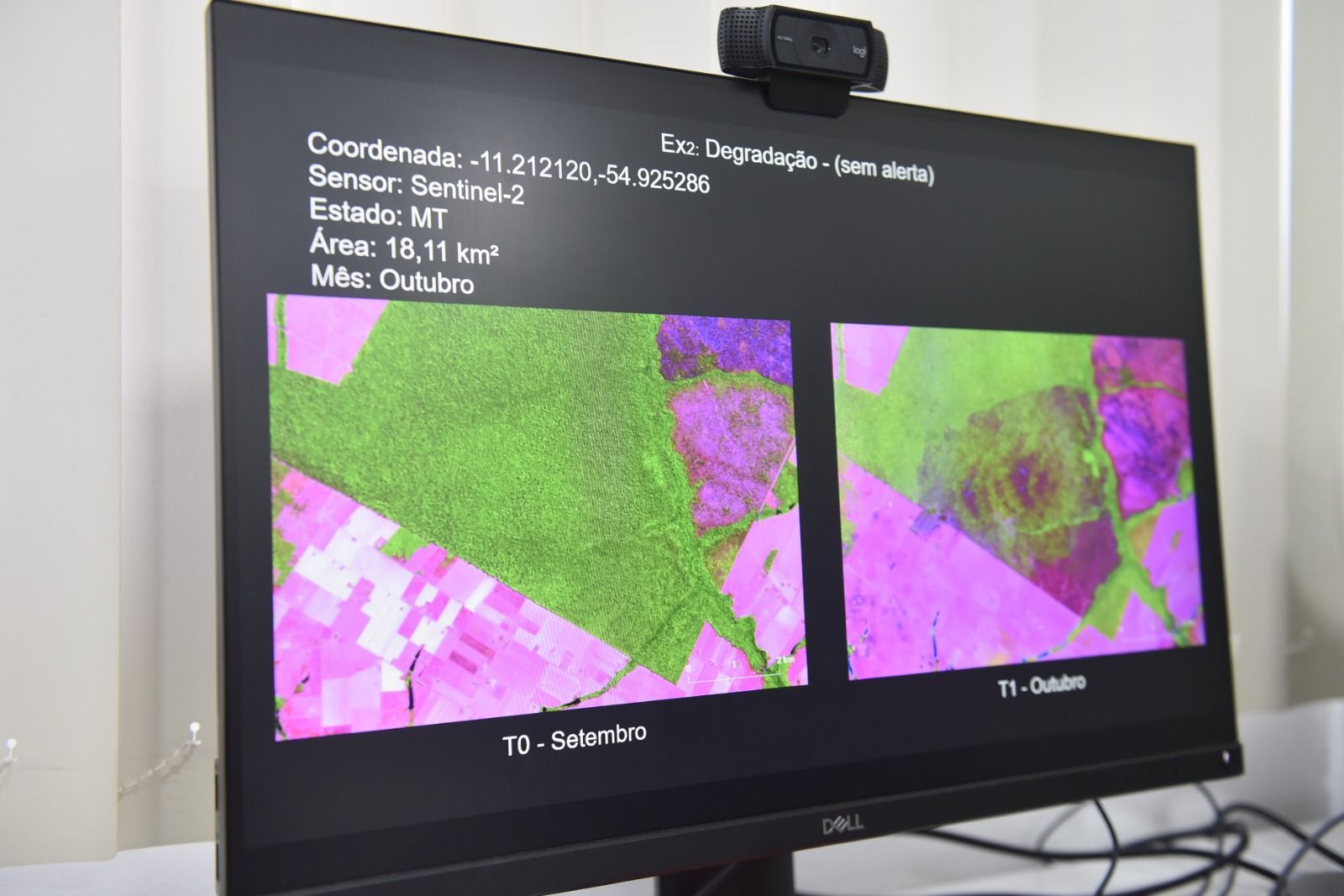
Indigenous peoples request support against intruders
Adriano Karipuna, current president of the Tangarei Karipuna Ethnoenvironmental Institute, reports that the reduction of deforestation in his territory came about through immense struggle. “I have been denouncing deforestation in statements outside Brazil and through national complaints, which culminated in numerous disintrusion operations [a government legal operation to remove intruders from indigenous lands]. Through ADPF [Claim of Non-Compliance with a Fundamental Precept] 709 in the Supreme Federal Court, former Minister Luís Roberto Barroso ordered the removal of all intruders, not only in the Karipuna Indigenous Territory,” Adriano recalls.
Several disintrusion operations were carried out in the territory in 2023 and 2024. Leaders of the Karipuna Indigenous Territory reported logging activity, land clearing for cattle ranching, and agricultural crops. Furthermore, the territory records the presence of uncontacted indigenous peoples who have been displaced due to the invasions, in addition to facing the risk of exposure to diseases for which they have no immunity.
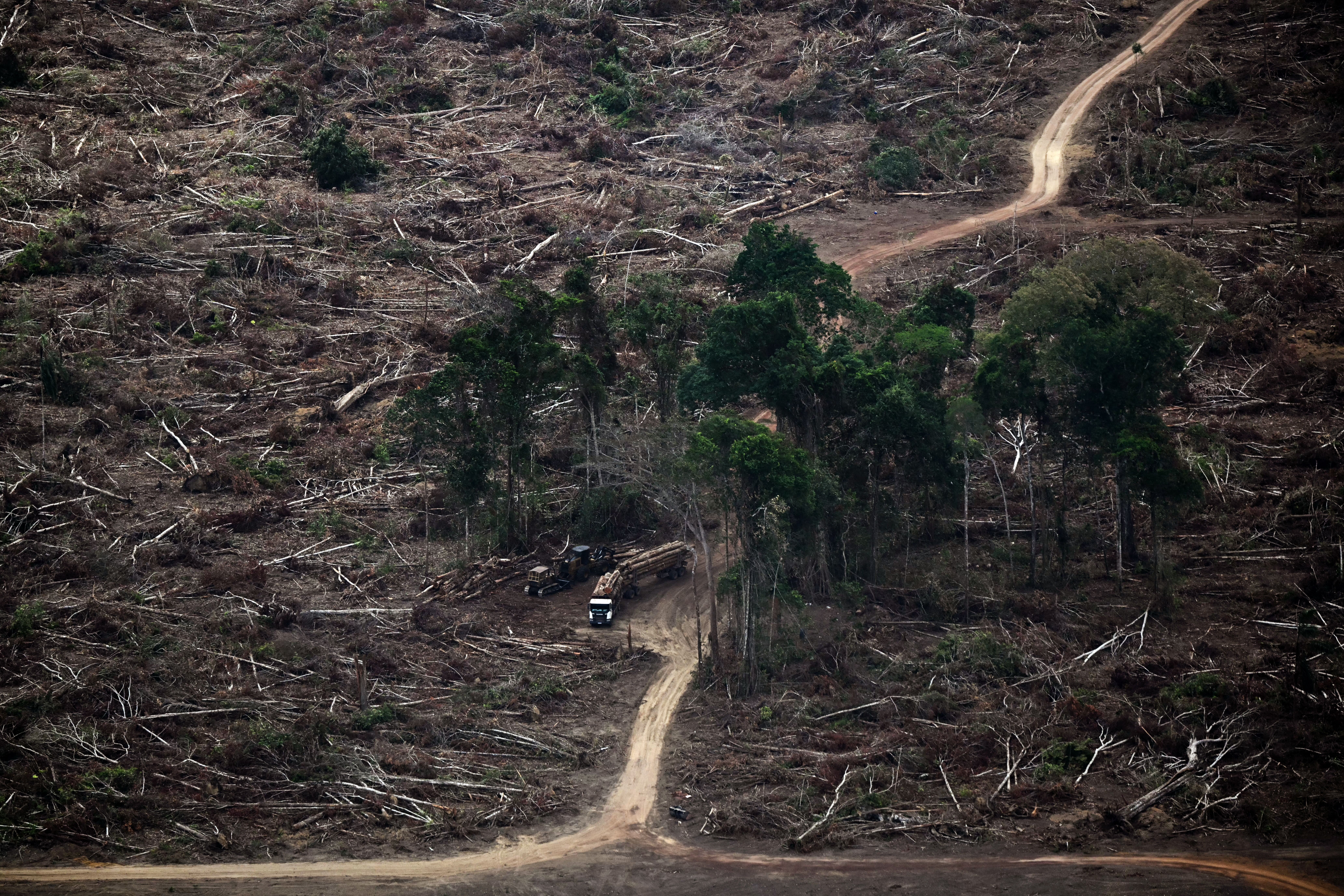
“In the past, the Karipuna Indigenous Territory was one of the northern region's most deforested areas and suffered heavily from arson. Today, despite the drop in deforestation, fires, and invasions, intruders remain. For instance, some are not clear-cutting new areas, but reoccupying previously deforested ones and putting up fencing for future cattle farming. We are fighting to get these intruders out for good so they stop entering our land. We also want those responsible to be held accountable, which has never happened. We want those fines converted into social benefits for our local community,” demands Adriano.
According to the indigenous leader, there is a gap on the part of the State. “We need more enforcement, accountability, and funding for reforestation. We want a stronger presence from the Brazilian State. Because we, as indigenous peoples, are on the front lines, denouncing, risking our lives, and protecting our territory.”
INSTITUTIONAL PARTNERSHIP
The production of Liberal Amazon is one of the initiatives of the Technical Cooperation Agreement between the Liberal Group and the Federal University of Pará. The articles involving research from UFPA are revised by professionals from the academy. The translation of the content is also provided by the agreement, through the research project ET-Multi: Translation Studies: multifaces and multisemiotics.