Despite its prohibition in Brazil, the illegal commercialization of mercury continues to pose risks to human health throughout the national territory.
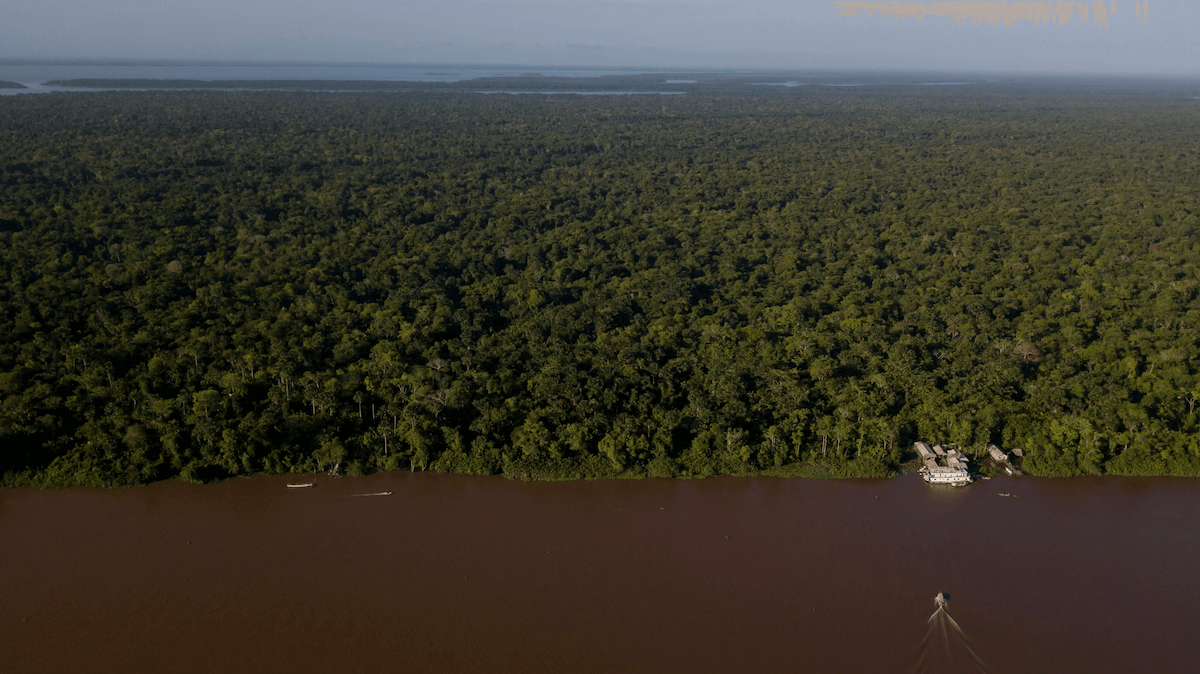
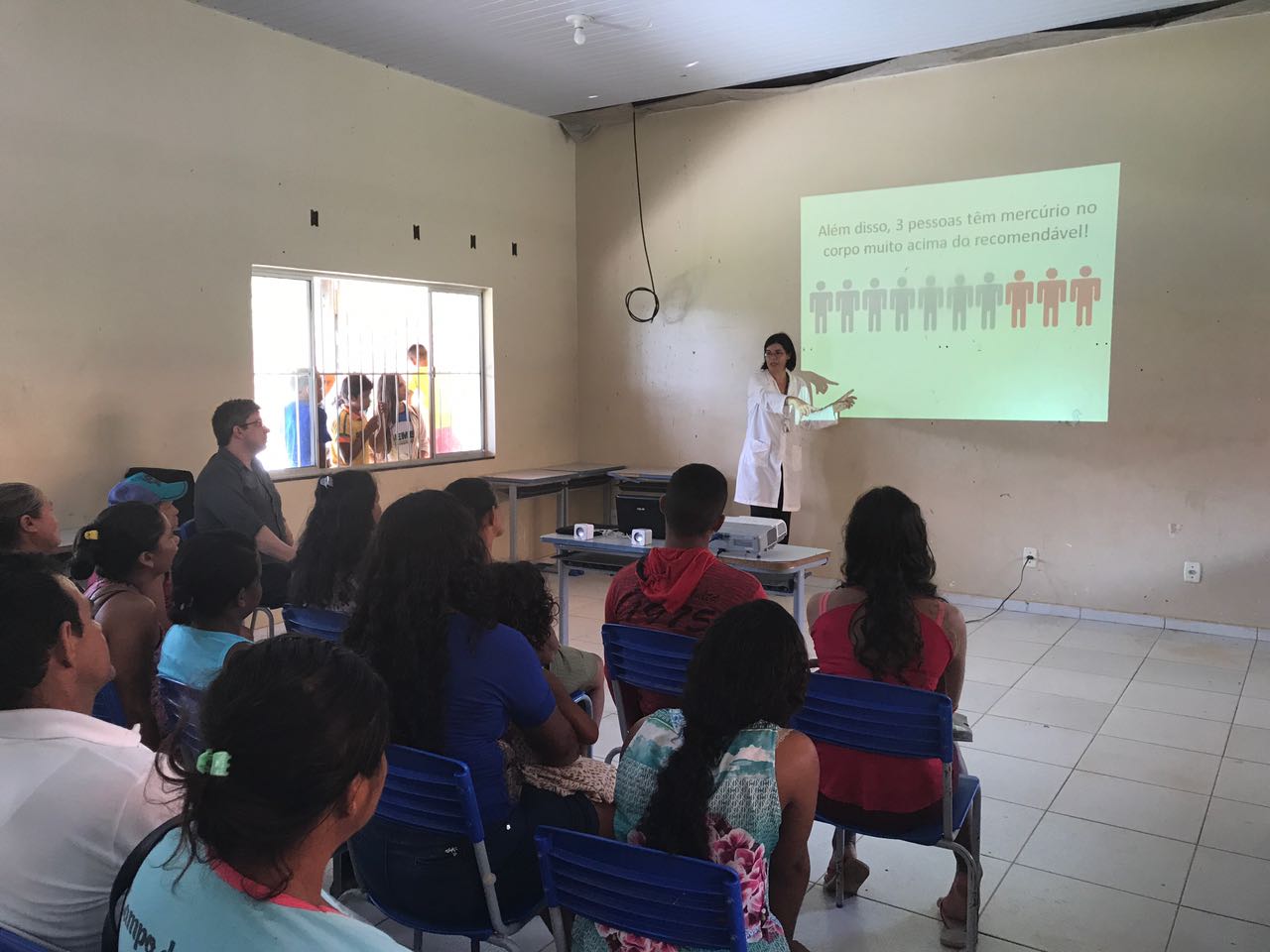
In the Amazon, however, this problem is aggravated by the expansion of predatory mining activities in recent years. It is an evil affecting mainly indigenous, quilombola and riverside populations: a study published in 2022 by the Oswaldo Cruz Foundation, for example, detected mercury levels above safe limits in 60% of indigenous residents of Sawré Muybu, Poxo Muybu and Sawré Aboy villages – all of them situated in the regions of the middle and lower Tapajós, in Pará.
Among those who live on the banks of rivers afflicted by mining, the ratio of indigenous people with high levels of contamination rises to nine out of ten.
Mercury is not a problem restricted to those who live far from urban centers. Contamination of rivers directly affects fish, which travel great distances or are gobbled up by larger species.
The larger fish, in turn, find their way to the plates of residents in metropolitan areas.
"Here in Belém, we also accumulate mercury in our bodies. There are more in-depth investigations covering the Tapajós basin – a region which is known to suffer a lot with contamination issues. But when a comparative study was carried out on fish sold in the Ver- o-Peso market, we ended up finding high levels of mercury in species that eat other fish. Some of them showing the same levels as those found in the Tapajós basin. It is worrying", says Elena Crespo, coordinator of the Post Graduate Program in Pharmacology and Biochemistry at the University Federal do Pará (UFPA).
Elena Crespo affirms this scenario does not mean large cities residents should stop eating fish.
The difference in the eating habits of urban population when compared to those of forest populations - indigenous and riverside people – accounts for her opinion.
Fish is the first, second and third choice of protein almost every day for forest people.
This makes high levels of mercury a chronic problem that deserves closer attention, as the body does not have enough time to eliminate the heavy metal if ingested daily.
The problem goes beyond oral intake: according to a report by the United Nations, South America is the second region in the world that most emits mercury into the air, being the Amazon region responsible for 75% of total emissions.
In addition, mercury is also used in dental amalgam, a classic use in dentistry that is gradually being replaced.
"By chewing food, part of the mercury is evaporated. You are ingesting the mercury. It is also employed in sockets, in thermometers. But many have been withdrawn from the market. It is an element that not everyone is willing to replace as it is very versatile and useful: conducts electricity, alloys with other metals, resists to temperature", points out Crespo.
SILENT ENEMY
The effects of mercury on the human body tend to be noticed only in the long term.
The symbol Hg, in the periodic table, comes from the Latinized Greek hydrargyrum and means liquid silver, allowing a good perception of how harmful it can be to the organism.
There are about 250 symptoms described in medicine, most of them neurological, related to mercury consumption by humans.
Among them are: tremors, spasms, headaches, a metallic taste on the palate, inflammation and bleeding gums.
More recent studies point to the relationship between mercury and anxiety and depression. In the nervous system, injuries caused by the chemical element can lead to coma and even to death.
In Crespo's opinion, these are more than enough reasons to start structuring a firm public health policy in regard to mercury.
"Just as we measure blood sugar to prevent diabetes, all of us in the Amazon should measure mercury in our hair. It should be part of the annual check-up we undergo under doctors’ demands. Today, it is known that even in small amounts, mercury causes damage to long term. They are serious damage and more difficult for people to associate with mercury ingestion", she points out.
Little has changed since ‘Serra Pelada’, says researcher
Proceeding through the National Congress, Proposed Bill 5490/20 aims at establishing the National Plan for the Eradication of Mercury Contamination.
It consists in a series of measures intended to generate more rigorous tracking of the extraction of ores that utilize mercury, as well as to more firmly prevent illegal sales and seek social compensation for those affected by the chemical element.
For Sandra Hacon, a researcher at the Oswaldo Cruz Foundation's National School of Public Health, the first step is to abhor illegal mining in the Amazon.
According to Sandra Hacon, Brazil has had several moments of institutional incentive to mining, between ups and downs.
In the 1970s, the deposits in Serra Pelada, in Pará, were taken over by men who operated the gold extraction without any safety equipment.
With the expertise of someone who has been visiting mines in the Amazon for decades, she guarantees that from Serra Pelada up to now, little has changed.
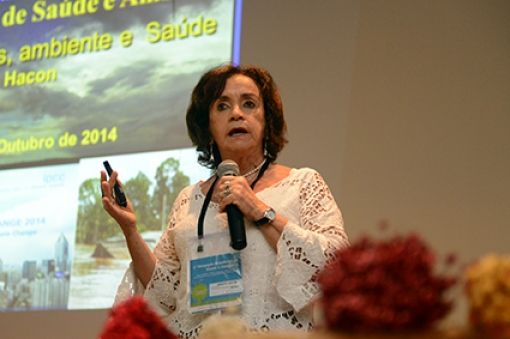
"But don’t forget that prospectors are also poor people, many times there’s no other income option for them. They are Brazilians who need assistance. Combating mercury contamination involves punishing the powerful businessmen who finance mining and the damages it provokes. Another issue is the complete disrespect for the rights of workers. It is hard work and there’s no protection. Mercury kills. They handle it every day in a routine similar to slavery. There must be TV campaigns showing where the gold you buy comes from, investigating the source, the origin", she says.
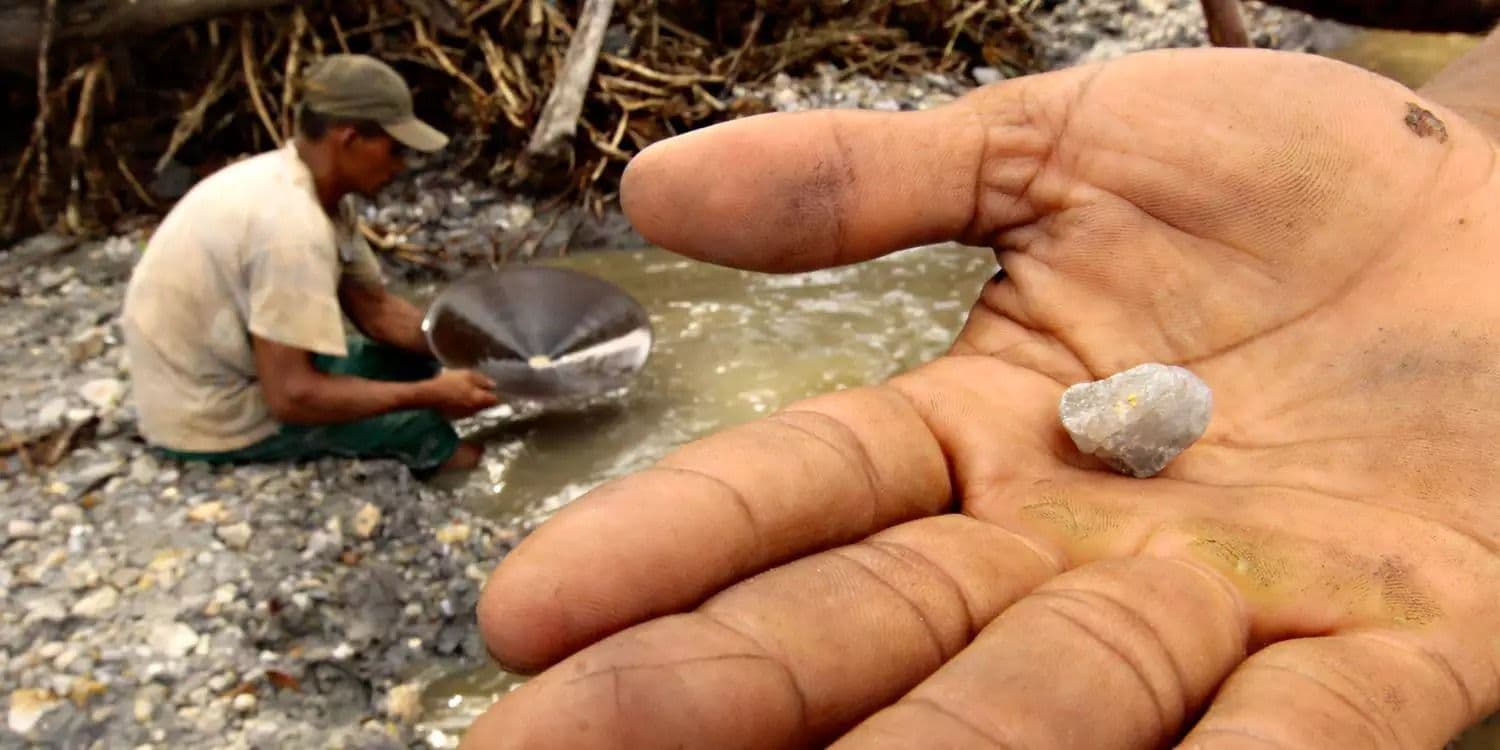
Replacing mercury, however, is no easy task. It is used to quickly separate gold from sediment for a low cost.
The other common alternative, a vibrating table, is much more expensive and requires more qualified workforce.
Despite mercury sale being illegal, it is easy to buy in border areas of the Amazon.
In 2022, a news report by Grupo Liberal revealed groups on Facebook that are showcases for mercury tanks, negotiated via WhatsApp.
A 34.5-kilogram tank costs around 15 thousand reais on the illegal market. Great part of the material comes from Peru and is transported to municipalities like Tucuruí and Itaituba, in southwest Pará.
Professor Elena Crespo says that the demand for the chemical element is high and that, usually, one kilogram of mercury is used for each kilogram of gold. But in less efficient processes, the amount of mercury jumps to 50 kilograms for each kilogram of gold, which considerably increases the risk of intoxication by workers.
"Mercury is very traditional in the Amazon and almost everyone around the mining area knows how to use it, understands the process. It doesn't require much training. The issue is that as the results of exposure only appear later, the prospector does not relate handling of mercury with diseases. And even if they do related it, they don’t care about it, that is, what other option do they have? But shaky hands usually mean damage to the brain, which hardly ever can be recovered. So, the best thing to do is prevention always ", she says.
Brazil needs to consolidate public policies
Brazil has signed the Minamata Convention since 2017, an international agreement that seeks to strictly control the use of mercury. The country, however, does not have legislation establishing the limit of human exposure to mercury. Currently, there is only a limit of contamination in fish considered suitable for ingestion: up to one gram of mercury for fish that eat other fish and half a gram for those that do not.
Elena Crespo states that this should be analyzed and improved together with the scientific community. On the other hand, she points out that the test to measure the degree of mercury contamination is provided by the Sistema Único de Saúde (SUS) [Brazilian public health care system].
"It costs the same as the glucose test. The problem is the lack of equipment in the North region. Investment in infrastructure is necessary to tackle this. If the equipment is available, the cost of individual tests is not expensive", she points out.
Regularization of legal mining activities also needs to be consolidated, according to Luís Antônio Monteiro, president of Comissão de Meio Ambiente da Ordem dos Advogados do Brasil no Pará [Environmental Commission of the Brazilian Bar Association in Pará]. He says that large companies already reject the use of mercury in extraction, but they face heavy bureaucracies to guarantee environmental licensing.
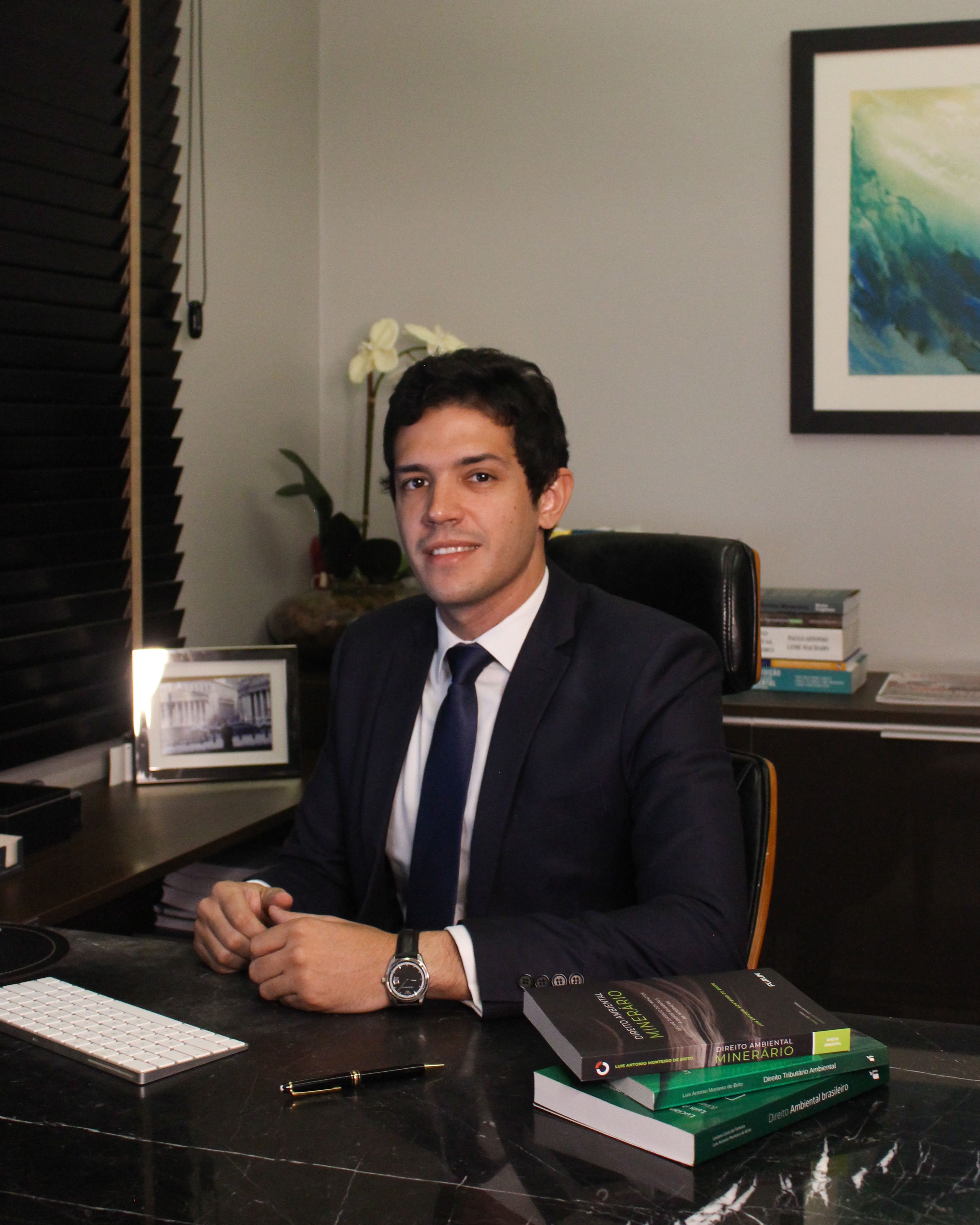
"Regardless of more or less companies operating with environmental licensing and strict control, the market demand for gold does not change. It is equally high. And this fosters illegal mining. So we have to increase the repression of illegal activities and encourage legal practices, because illegal mining doesn't sign a work permit, doesn't pay taxes and makes a lot of profit. But the losses are shared with the whole society", says Monteiro.
In February 2023, the Federal Public Ministry accused ten of the targets of Operation Hermes, launched in December 2022, which focus on crimes related to the smuggling and illegal sale of mercury. According to the accusation, a single group sold 1.1 billion reais in mercury to gold mines in Pará, Rondônia and Mato Grosso between 2015 and 2020. Monteiro believes that the dismantling of illegal mining involves encouraging the creation of mining cooperatives, that must be qualified to work correctly and away from the chains of entrepreneurs who finance, at a distance, criminal gold mining activities.
ENVIRONMENTAL COST
"Today, serious companies are aware that environmental and control cost makes mercury, in fact, more expensive. Ultimately, it is more advantageous to use a modern, technological and safer production process. This mentality needs to go beyond the large companies to the cooperatives of prospectors. It is impossible to change everything overnight. We need the market to be more and more consolidated and that only regulated products be bought, with origin and registration of activities. Those who want to work correctly and make a living from this activity need to regularize themselves", he explains.
Sandra Hacon, from Fiocruz, recalls that the recent images of hunger, malnutrition and malaria among the Yanomami indigenous people, in the state of Roraima, are directly linked to the unrestricted use of mercury.
"Indigenous people are the first affected and, therefore, must be the first to be taken care of. Indigenous people need clean, uncontaminated nature. We have the Amazon because we have indigenous populations. Due to them, the forest is still standing and not completely contaminated. But for how long? This operation to fight illegal mining by the Federal Government is gigantic. I've never seen anything like that before. But we can't stop there. Mercury has already gone forth a lot and is not a problem for later. We need to fight it now before it's too late".