A plant used in traditional Amazonian medicine, whose therapeutic properties are known and passed down from generation to generation, has been playing a prominent role in research involving wound treatment.
This is the jucá [Libidibia ferrea], also known as pau-ferro [Brazilian ironwood], due to the hardness of its wood. Its name comes from the Tupi word yu'ká, which means “to kill” or “strike”, an allusion to the use of this wood for making club weapons by indigenous people. But the greatest tradition that has been maintained in the use of the species is for therapeutic purposes: it is a well-known anti-inflammatory, healing, and antimicrobial agent.
Now, these properties, already well known by traditional Amazonian populations, are gaining scientific confirmation through studies conducted by researchers from the Federal University of Amapá (Unifap) and the Federal University of Western Pará (Ufopa).
FAMILY TRADITION
Pharmacist José Carlos Tavares Carvalho, coordinator of the Drug Research Laboratory at Unifap, grew up in Macapá watching his family use medicinal plants to combat various types of illnesses. “I come from a traditional family, with few economic resources to solve basic health problems. I lived in a house with a very large backyard, where we had many medicinal plants. And at my uncle's house, who lived nearby, there was a jucá tree. Since I was a child, I observed my mother and uncle using jucá for everything, including asthma attacks, or any injury we had,” he says.
It was this background that motivated Carvalho to begin studying the properties of jucá in his master's degree, in the 1990s, at the University of São Paulo (USP). “In my dissertation, I proved that this species has an active ingredient and acts on asthma attacks because it has an antihistamine effect. When someone asks me if I know of anything for asthma, I suggest a syrup made from jucá tincture or fluid extract of jucá,” he says.
DIABETIC FOOT
In addition to its use for asthma, Carvalho already had traditional knowledge of using jucá for wound treatment. So, he joined researchers from the Instituto de Pesquisas Científicas e Tecnológicas do Estado do Amapá (Iepa) [Institute of Scientific and Technological Research of the State of Amapá] who were studying the subject.
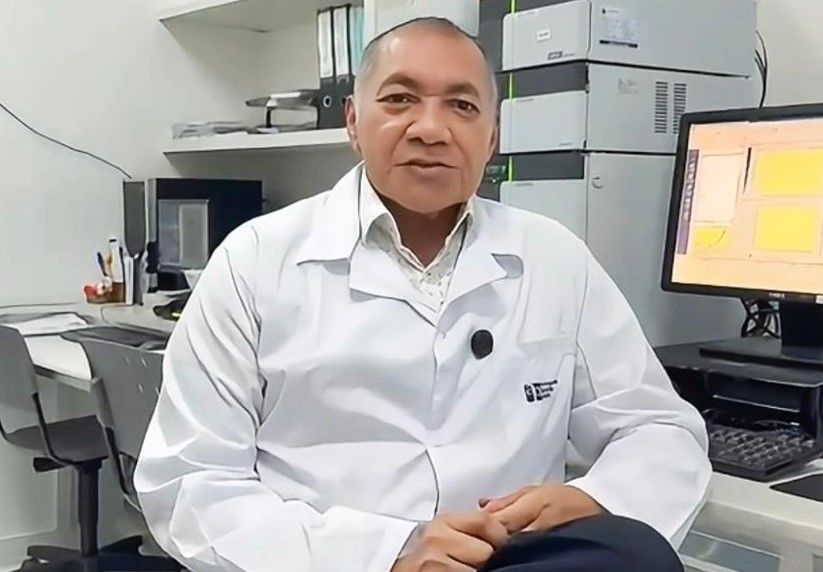
“A large group from Iepa was applying jucá preparations to wounds, culminating in the confirmation of its therapeutic properties, both for acute and chronic wounds, which are now called complex wounds or difficult-to-heal wounds. And the use of jucá-based products in diabetic wounds was mainly due to this experience of the Iepa group, which was later consolidated by the group from the Basic Health Unit of Unifap, which already has 20 years of experience in the treatment of diabetic feet,” he reports.
Wounds in people with diabetes are difficult to treat. High blood sugar levels decrease the body's defense capacity and hinder circulation, leading to slow healing and loss of sensitivity, which can cause wounds to go unnoticed until they are severe. There are cases that progress to gangrene and require amputation, especially of the feet.
Hence the potential of jucá to treat such a complex problem. "The difference in using jucá compared to other available treatments is that, when it comes to a phytotherapeutic product, which comes from an extract or a tincture, you are not working with just one active ingredient. It is a complex combination of active ingredients, each with a function. Jucá has healing actions because it stimulates the production of collagen fibers. But it also has phenolic compounds, which have a very strong antibacterial action. It is a set of differentiated pharmacological actions in just one product," he emphasizes.
ANVISA
Research conducted by Iepa and Unifap, which proved the clinical efficacy of the jucá cream and gel, allowed the product to be included in the Brazilian Pharmacopoeia's list of herbal medicines. "This means that any industry that wants to work with the production of this herbal medicine can request notification from Anvisa [Brazilian Health Regulatory Agency] and start producing it," explains José Carlos Carvalho.
The researcher adds that a large pharmaceutical company is already interested in production and there is an expectation that the herbal medicine will be introduced within the scope of the Sistema Único de Saúde (SUS) [Brazilian Unified Health System].
Scientists create veterinary formulation
Similarly to José Carlos Carvalho, veterinarian Antonio Minervino grew up seeing the use of jucá to treat wounds. “I was born in Santarém, and jucá was always present at home: a jar of alcohol with the plant's pods inside, ready to be applied to any wound. It was the first choice natural remedy. Jucá was part of a body of knowledge that my family and many other families in the region possessed,” he recalls.
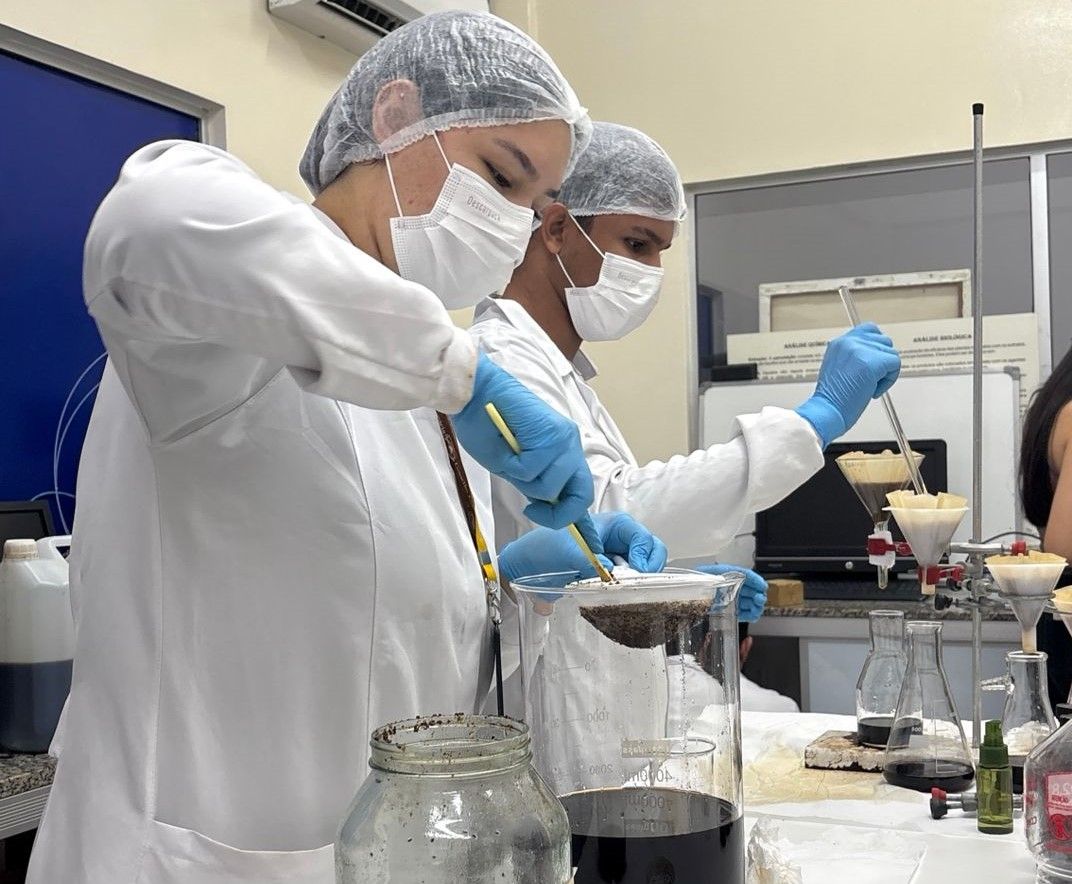
When he became a researcher, Minervino was motivated by a question: if the population has been using this plant for so long, why hasn't science proven it yet? This led to the study developed by the Bioprospecting, Research and Development of Bioactive Compounds in the Amazon research group, which includes the participation of different laboratories at Ufopa: the Animal Health Laboratory, the Pharmaceutical Technology Laboratory, and the Pharmacology Laboratory.
Together, each in their area of expertise, the researchers from the three laboratories created a formulation based on jucá to treat, initially, cattle. With the success of these initial experiments, they moved on to testing on wounds in dogs.

“We compared the 5% jucá formulations (in gel and in murumuru butter as vehicles) against a high-value commercial ointment based on allantoin, which, in theory, would be the best option available on the market for wound healing in dogs. Both jucá formulations outperformed the commercial ointment, with greater wound shrinkage and better tissue quality. The next step was to ensure biological safety, which was proven in all the tests carried out,” says Minervino.
“Copanju” combines copaiba and andiroba with jucá
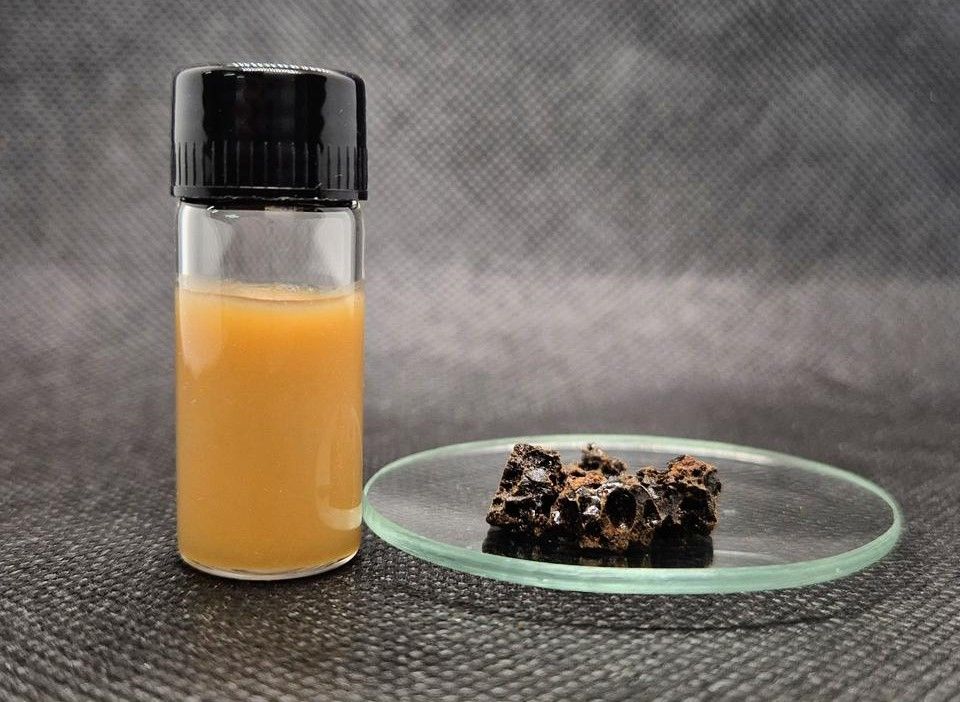
Later, the group of researchers tested the combination of jucá with two other traditionally used Amazonian plants: copaiba oleoresin and andiroba extract. “The combination of the three in a semi-solid formulation based on murumuru butter produced a synergistic effect on antibacterial activity, superior to that of any isolated component. This formulation, named ‘Copanju’, gave rise to a patent of invention filed in March 2025 in the name of Ufopa. The name refers to the three plants that compose it, in a liquid matrix based on murumuru butter,” explains Antonio Minervino.
According to the veterinarian, the modified release technology allows the active ingredients to remain in contact with the lesion for longer, with only one daily application, overcoming the limitations of conventional ointments and gels. “The wound healing tests demonstrated that ‘Copanju’ achieved 100% wound retraction after 21 days, a result superior to that of commercial allantoin-based ointments. The formulation also demonstrated synergistic antimicrobial activity — that is, the combination of the three plants was more effective than each of them individually — against pathogens frequently associated with skin infections in animals,” emphasizes the researcher.
Market bets on sustainability
According to Minervino, market for wound healing products for humans is already quite consolidated, so the research group's bet is on the area where there would be the greatest need and the least supply of effective solutions: products for veterinary use. “Wounds in diabetic patients and burns represent two of the biggest challenges in regenerative medicine. The antimicrobial, anti-inflammatory and healing properties of ‘Copanju’ make it a promising candidate for both scenarios. These studies will begin in 2026, using standardized models in rats, and represent the next step in consolidating ‘Copanju’ as a phytotherapeutic with a broad therapeutic spectrum. The proposal is to bring ‘Copanju’ to market as a veterinary product initially aimed at dogs, cats and horses, animals with a high demand for quality dermatological treatments,” he says.
The researcher emphasizes the sustainability involved in the process. “Besides testing the plants, we focused part of our studies on industrial waste from Amazonian plants, byproducts normally discarded from oil or essence extraction, aiming to transform what would be waste into raw material for new products. A phytotherapeutic product made from Amazonian plants, with scientifically proven efficacy, responds to a growing trend in the pet and equestrian market for natural and sustainable alternatives,” he concludes.
INSTITUTIONAL PARTNERSHIP
The production of Liberal Amazon is one of the initiatives of the Technical Cooperation Agreement between the Liberal Group and the Federal University of Pará. The articles involving research from UFPA are revised by professionals from the academy. The translation of the content is also provided by the agreement, through the research project ET-Multi: Translation Studies: multifaces and multisemiotics.