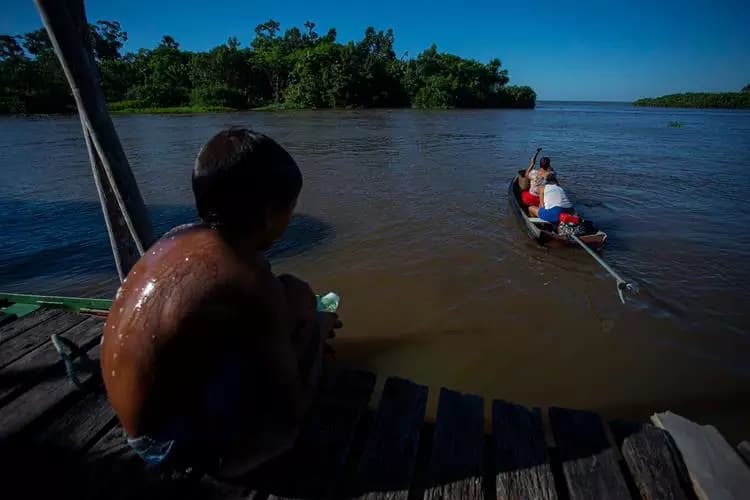
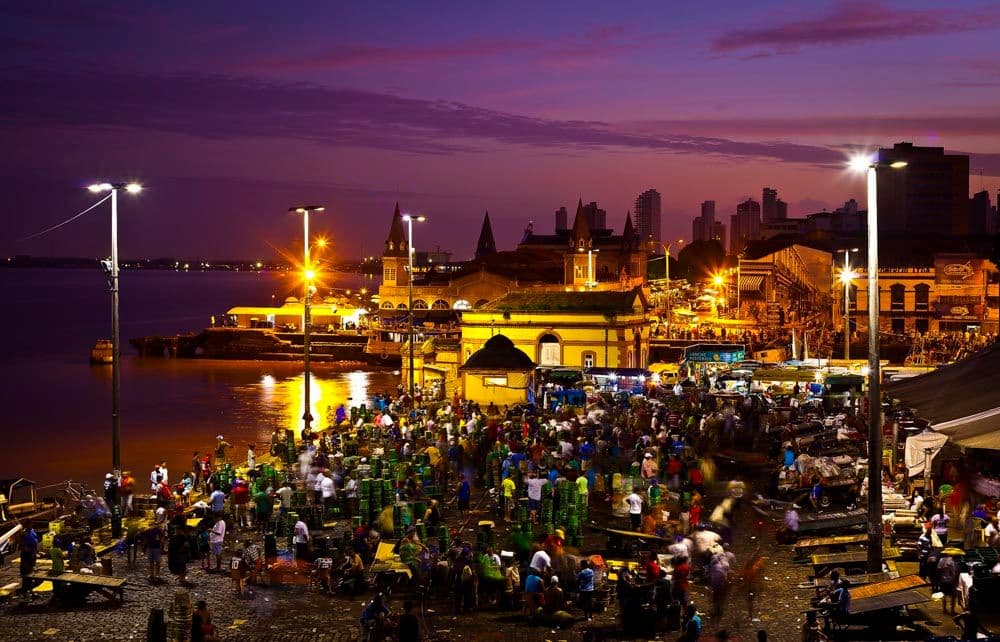
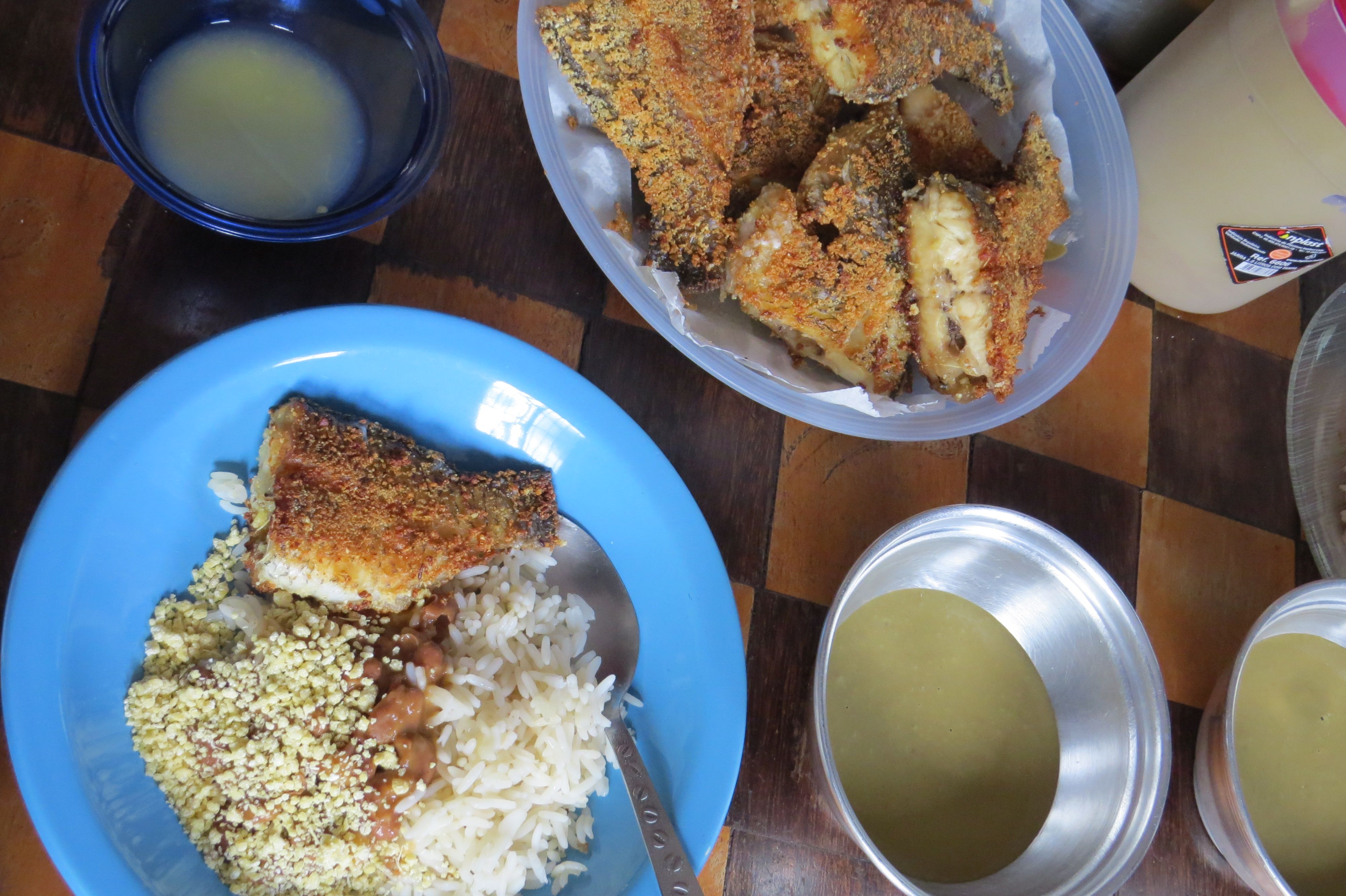
When one talks about riverine food, what comes to mind is a table with fresh fish, manioc flour, açaí, and other items from the forest. But this tradition has been threatened by a reality that is advancing worldwide: the consumption of ultra-processed foods.
In Brazil, the presence of ultra-processed food in Brazilian homes has more than doubled since the 1980s, rising from 10% to 23%. These figures come from a study released last year, led by researchers from the University of São Paulo.
Another study, conducted by the Federal University of Ceará, focused specifically on traditional peoples in Brazil. The finding was the same: there was a consistent increase in the consumption of ultra-processed foods and a decrease in foods historically present in the diet of these populations. Specifically in the Amazon, two studies pointed to a similar scenario of dietary transition in riverside populations, raising concerns about the impacts on health.
"NUTRICIDE"
Ultra-processed foods are those made with artificial substances, such as emulsifiers, colorings, and flavorings, which contain high levels of sugar, fat, and sodium, but are poor in nutrients. Examples include instant noodles, soft drinks, cookies, packaged snacks, and canned goods such as sausages and preserved meat. They are usually tasty, inexpensive, and associated with the risk of several chronic diseases, such as obesity, cardiovascular and digestive problems, diabetes, and mental disorders such as depression.
Therefore, bioanthropologist Mariana Inglez, responsible for one of the studies on food transition in Amazonian riverside communities, calls this process “nutricide”. "This term was created in the 1990s by Llaila O. Afrika to explain the specific factors that lead to the (symbolic and physical) death of racialized bodies since colonization, through food. When a particular system deprives a specific segment of the population of access to healthy foods that are part of their food culture, forcing the consumption of foods that lead to illness and death, we are talking about nutricide," explains the expert.
In her doctoral research, Mariana studied the nutritional transition in riverside communities of the Caxiuanã National Forest, located between the municipalities of Portel and Melgaço, in Pará. "The process experienced by the riverside populations who contributed to my research, as well as by indigenous, quilombola, caiçara, and other traditional and peripheral populations in Brazil, can be interpreted through the lens defined by this term," she adds.
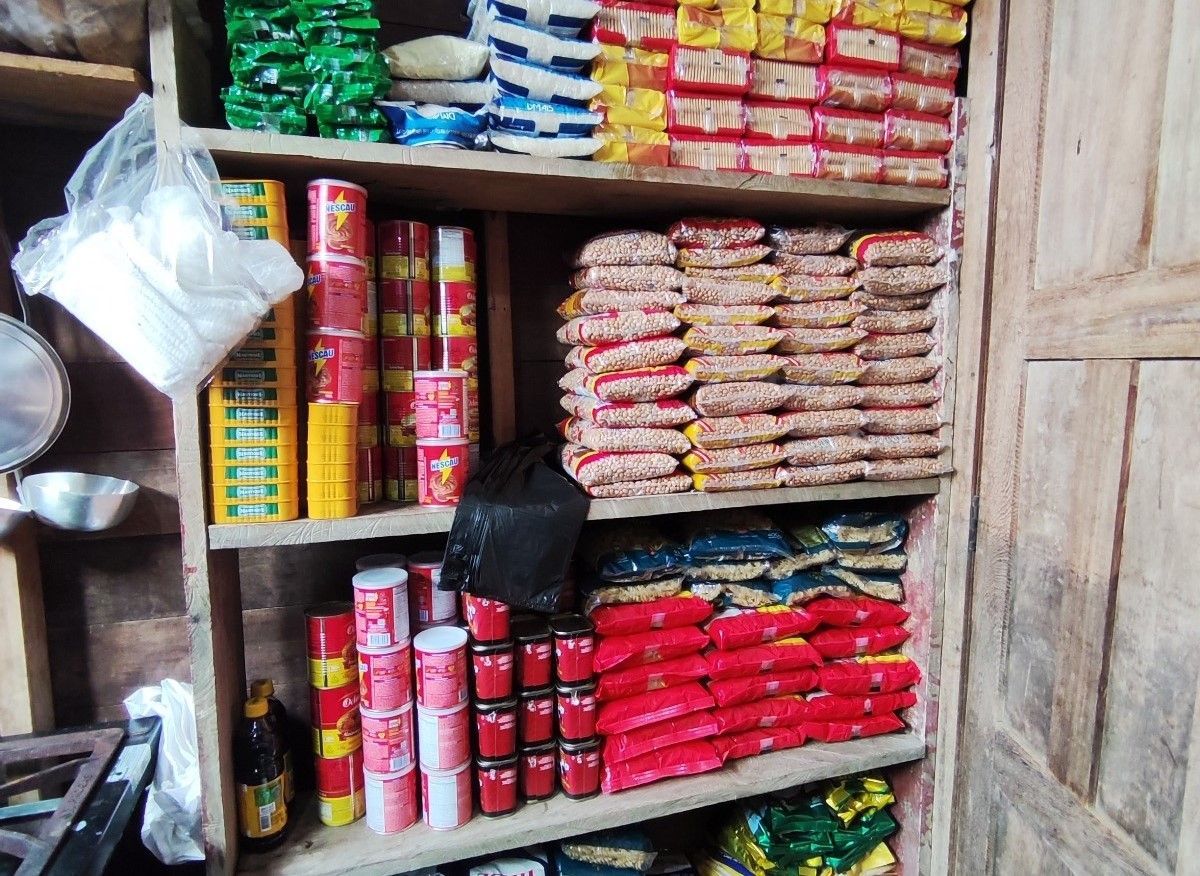
School lunches and basic food baskets encourage the consumption of ultra-processed foods
Born in São Paulo, Mariana Inglez became interested in the topic when she came to the Amazon region to work, in Pará. “I lived in the Xingu [river] region for a year and heard many stories that marked me, about how these changes in the relationship with the rivers, with the forest and even with the city impacted everything from mental to physical health. I decided to better understand the Amazon, the drivers of changes in the lifestyle of traditional peoples and their possible impacts. Then, I learned about the work of Dr. Bárbara Piperata in the Caxiuanã Forest, between 2002 and 2009, whose studies already pointed to changes in diet. My intention was to show what had happened, twenty years later,” explains Mariana.
The researcher followed the communities from 2019 to 2023. “I reconnected with the families who had participated in the previous studies and sought to analyze how their diets are today. I used methods such as interviews, participant observation, food analysis, and anthropometric data [measurements such as weight and height]” she describes.
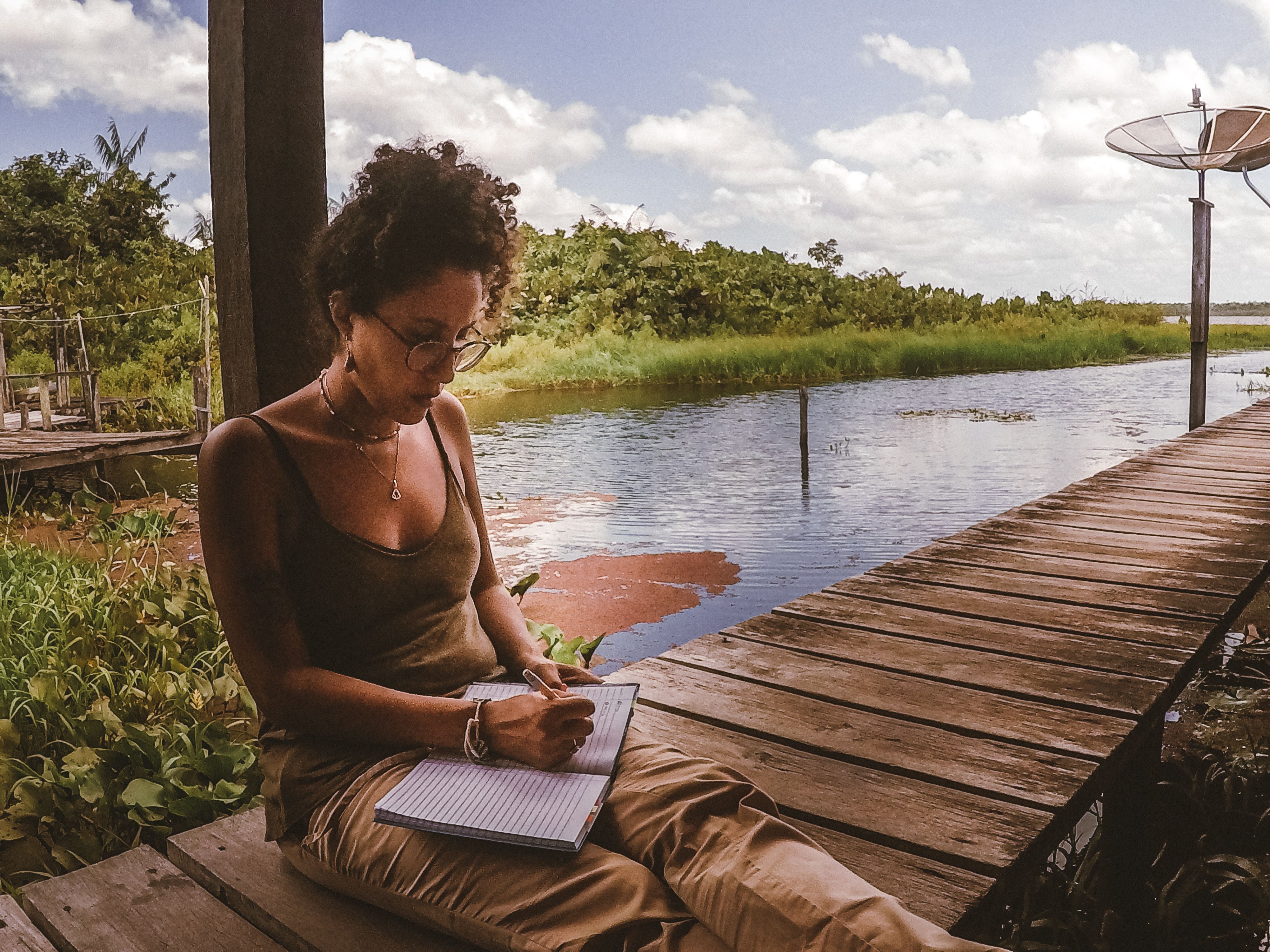
The research involved 177 participants, including adults, young people, and children. “We observed a significant increase in overweight and obesity, which can be associated with the increase in ultra-processed and industrialized products. Multiple causes interact and lead to this increase. The first of these refers to economic changes, such as those brought about by the Bolsa Família Program, which is fundamental in combating hunger, but still insufficient for the purchase of better quality, unprocessed, organic, and fresh foods. Ultra-processed foods are cheaper,” she emphasizes.
Other causes identified by the researcher are government actions related to food distribution. “School meals are frequently of low quality and composed of ultra-processed foods disconnected from the local food culture. Basic food baskets do not take into account local needs or the quality and balance from a nutritional point of view. The basic food basket and, especially, school meals educate people about what to eat and adapt their palates, also influencing their decisions when choosing what food to buy,” she warns.
Access to markets and urban centers influences food quality
Another study on food transition in riverside communities in the Amazon was conducted by biologist Daiane da Rosa, a doctoral candidate at the University of Lisbon and associate researcher at the Mamirauá Institute for Sustainable Development. She studied six riverside communities in the Mamirauá and Amanã Sustainable Development Reserves, which encompass several municipalities in Amazonas.
“I collected data in the communities between June and November 2024. There were three in the Amanã Reserve and three in the Mamirauá Reserve; three in each ecosystem, floodplain and paleo-floodplain. 72 interviews were conducted, with five different questionnaires, seeking to understand as many aspects as possible about food. I spoke with community elders; with school lunch providers, teachers, and school administrators to understand school lunches. I spoke with cooks from the communities, who are leaders in community kitchens. And the largest database I have is from 41 interviews conducted with families, with at least 25% of the families in each community. I sought to understand socioeconomic factors and how this was associated with the acquisition of the ‘rancho’ [expression for the month's grocery shopping],” she reports.
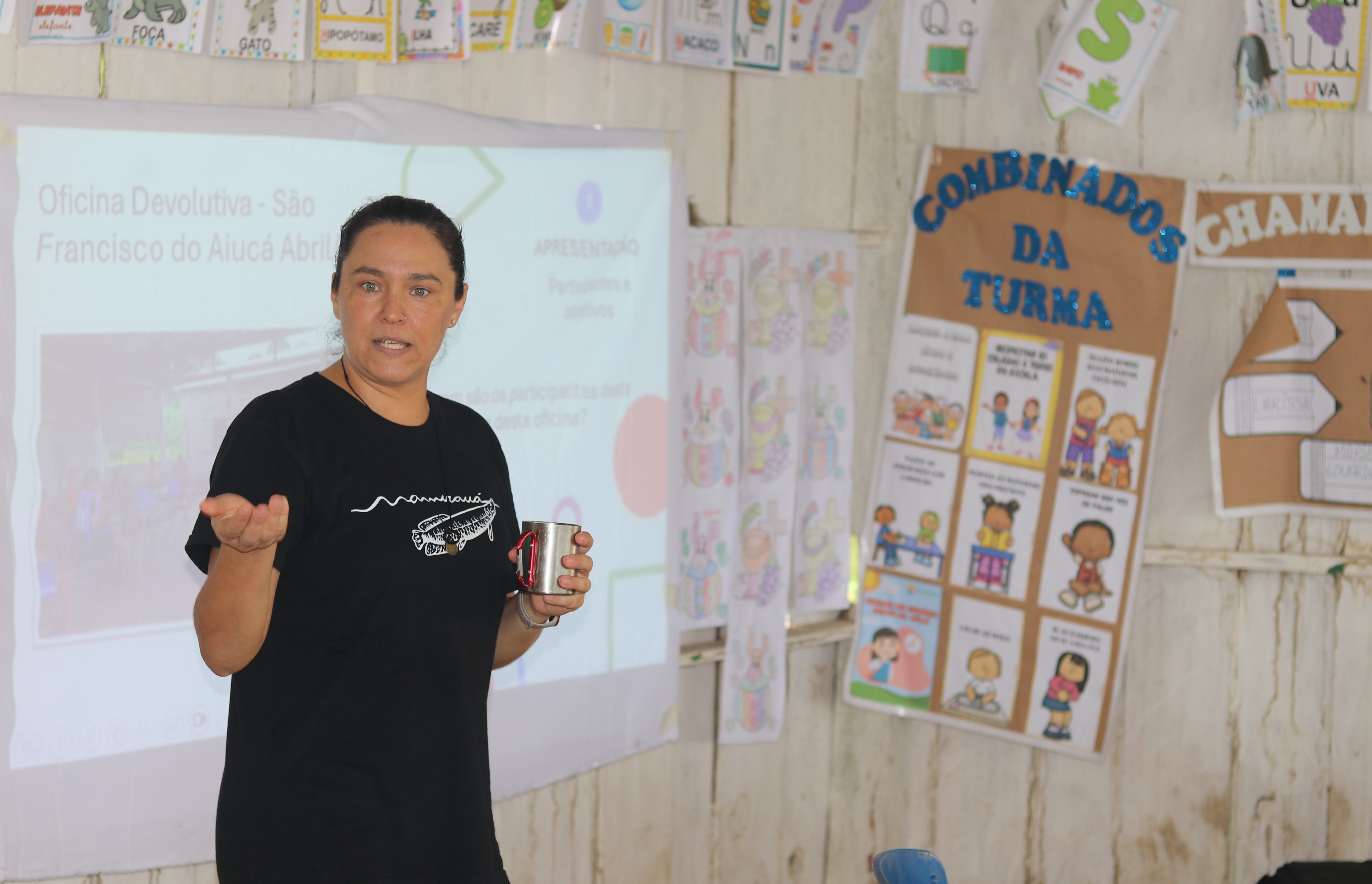
The researcher linked the increase in consumption of ultra-processed foods to the presence of minimarkets in the communities, as well as greater electrical infrastructure. “Communities that have electricity have more structured markets and are able to keep sausages and other processed foods for sale. So, they have much more access to these foods, as do those that are closer to urban centers,” she explains.
Daiane also observed a generational difference, with a higher consumption of processed foods by younger people. “Then there is the relationship with school meals. I came across menus with canned meat, sausages, and biscuits. Most of it, I would say 95% of the school meals, is made up of processed foods. Of that, 60% is ultra-processed. That's what children are eating in schools, even due to a lack of infrastructure. How are schools without electricity going to receive fresh, unprocessed food?” she asks.
Workshops expose the dangers of ultra-processed foods
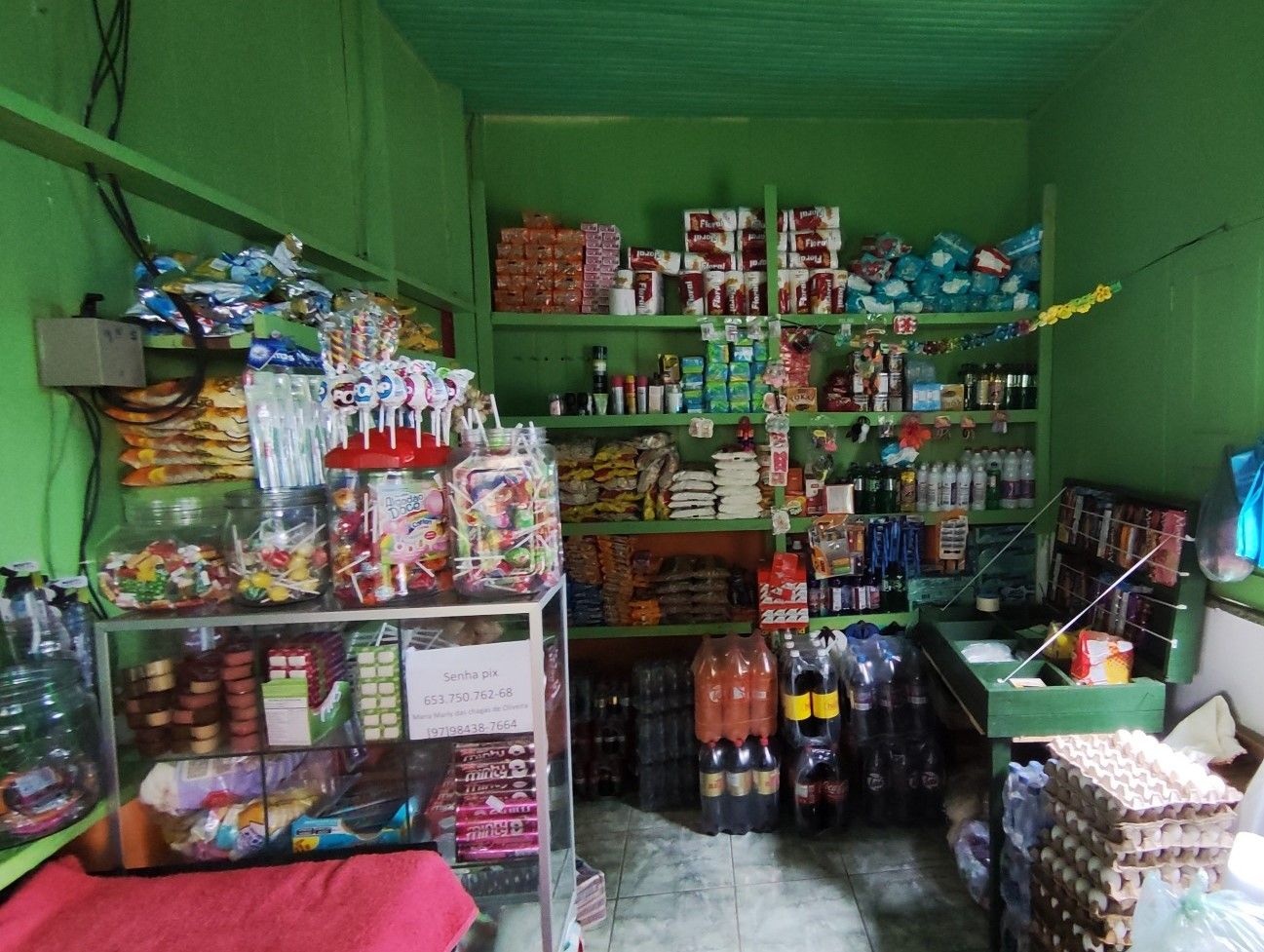
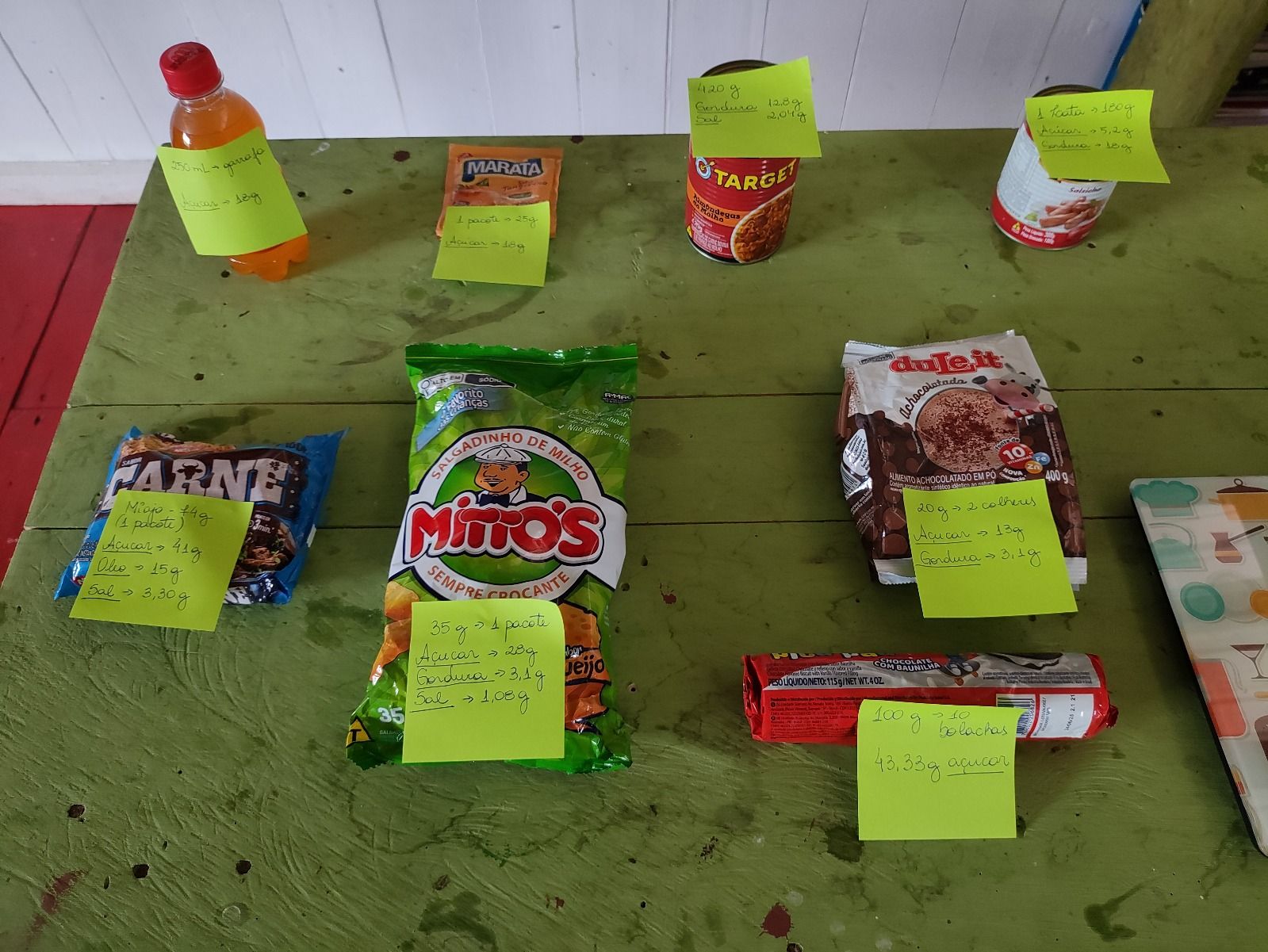
In addition to the interviews, Daiane da Rosa conducted feedback workshops in the communities in 2025, providing information about the composition of foods. “I set up a table showing the amounts of oil, sugar, and salt in each of these foods. When they saw it, they couldn't believe it. I showed them the list of ingredients for ultra-processed foods, asking if they thought that was food. It was possible to see the importance of the information. They understood the harm that these foods can cause to their health,” she points out.
Jucineia Araújo, a leader of the Ubim community in the Amanã Reserve, says that the learning in the workshops was a turning point. “The lecture opened up this understanding of being careful about what we are buying, what we are bringing to the community, and what we are offering to our children. Before, we were eating more processed foods, like snacks and canned goods that we would buy at the supermarket. Now, we don't stop buying them, but it's not in such large quantities anymore. It's saved for when we have nothing else, because the aquatic environment offers a period of plenty and, in the next, there is famine. So, we have to have a reserve at home, like canned meat. But then we make a soup, mixing it with vegetables. For the rest of the year, our diet comes from the countryside, from forest fruits, fish, and wild game,” she says proudly.
TRADITIONS
In fact, Daiane observed that, despite the food transition process, the consumption of riverside communities remains, for the most part, more natural. “Families involved in agriculture, especially those in paleo-floodplains, which suffer less from flooding, are able to plant year-round. The more species planted in the fields, the greater the dietary diversity of these families, with consumption of fruits, vegetables, legumes, and local meats, such as game meat and fish,” she emphasizes.
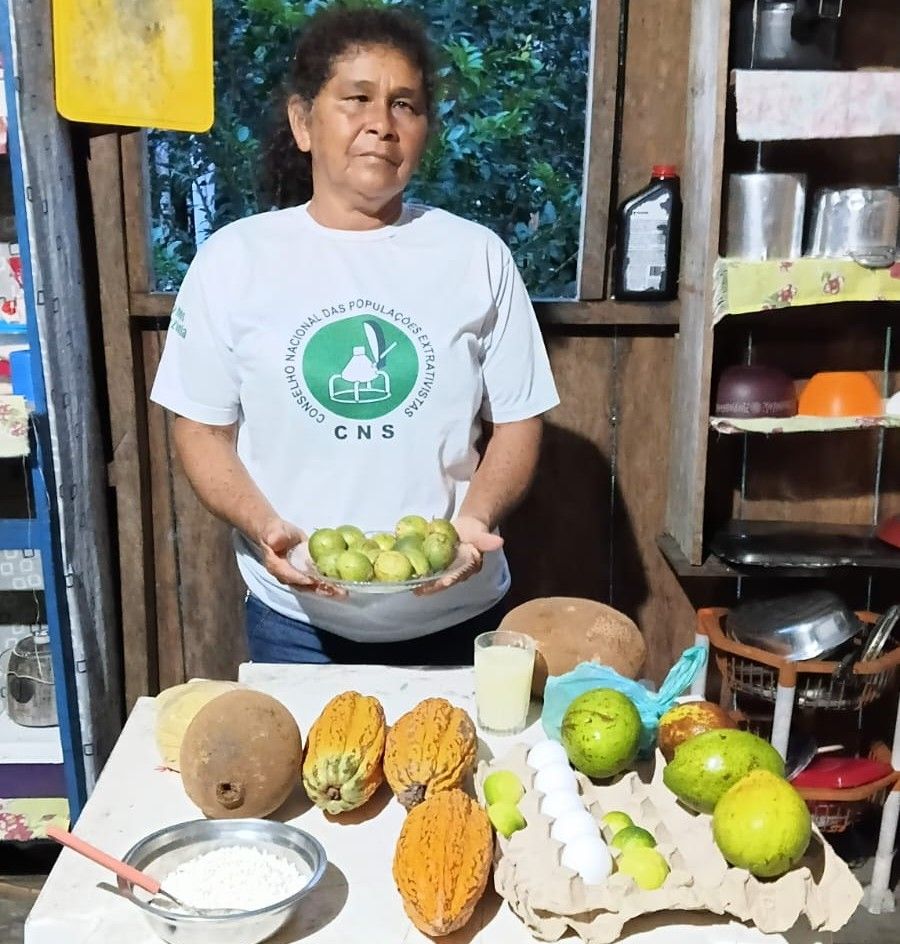
Mariana Inglez confirms the prevalence of traditions. “Riverside people are proud of their traditional food. The ‘real’ food, which gives strength and health, especially to the elderly and mothers, continues to be fish, manioc flour, and açaí. In addition, food is memory and affection. Traditional recipes also reinforce the bonds between people, families, and their territories, and this allows for resistance over time – even 20 years after the identification of the beginning of dietary changes in the region.”
INSTITUTIONAL PARTNERSHIP
The production of Liberal Amazon is one of the initiatives of the Technical Cooperation Agreement between the Liberal Group and the Federal University of Pará. The articles involving research from UFPA are revised by professionals from the academy. The translation of the content is also provided by the agreement, through the research project ET-Multi: Translation Studies: multifaces and multisemiotics.