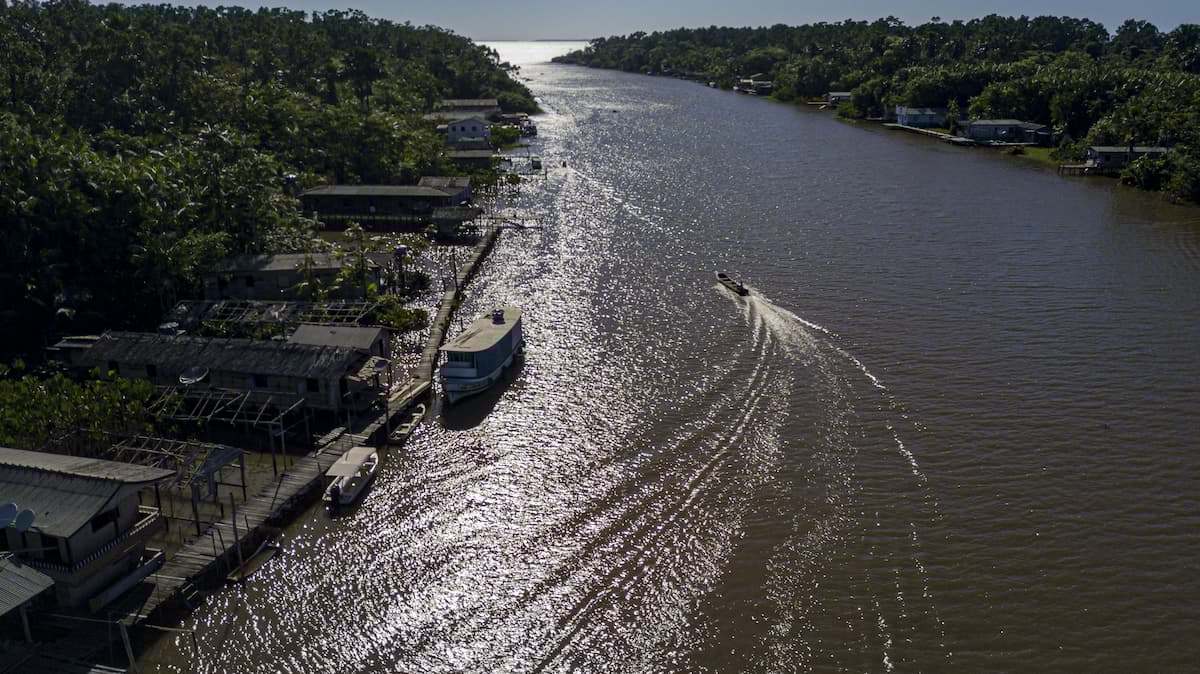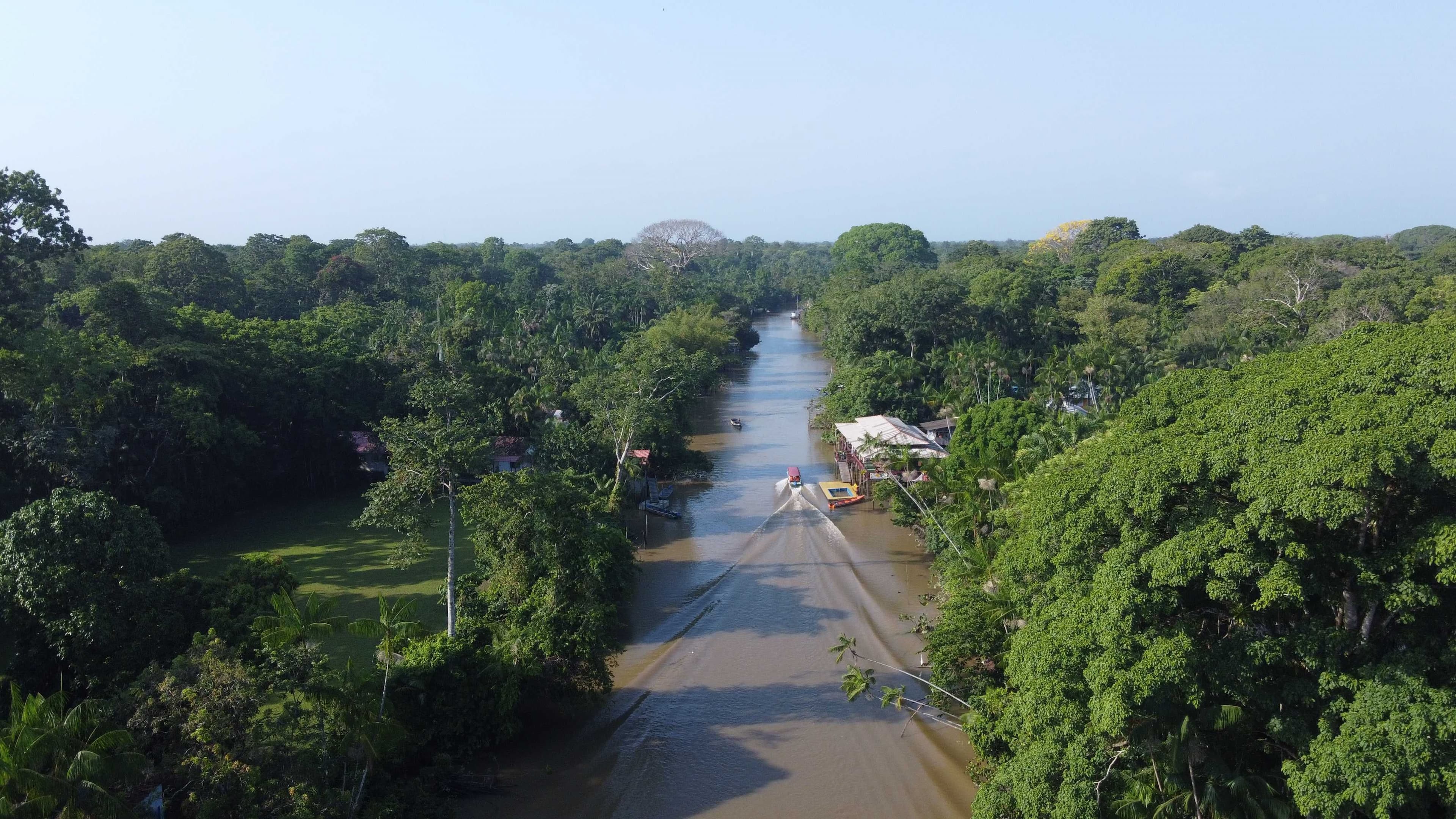
Small and medium-sized businesses have a decisive role in ensuring that economic activities in the region become “cleaner”, without losing sight of the need for continued growth. Micro and small companies in Pará, for example, represent 73% of the jobs created between January and September 2023, as is pointed out by the Ministry of Labor. In the State of Pará alone, there are more than 500 thousand enterprises that offer everything from food and transportation services to solutions for people's daily lives.
On the eve of the 2025 United Nations Conference on Climate Change (COP 30) in Belém, the challenges of sustainability grow for those who have decided to undertake business in the region. In practice, experts believe that there is still a lot of ignorance about the importance of small businesses in this context.
Even in order to start a company, you still have to travel many kilometers and do a lot of paperwork, as governments still invest a lot in offering face-to-face services that could be automated. The adoption of more sustainable practices, which have already been adopted by large enterprises, with major impacts, still needs to be strengthened among small and medium-sized entrepreneurs.
“According to the Climate Observatory, the main sources of Greenhouse Gas (GHG) emissions in Pará are not small businesses, despite being the majority of companies in the State, with more than 90% of the enterprises”, highlights Rubens Magno, superintendent director of the Serviço Brasileiro de Apoio às Micro e Pequenas Empresas no Pará (Sebrae-PA) [Brazilian Micro and Small Business Support Service in Pará].
“Because they have this significant participation in the State, they are key players, protagonists concerning climate change and sustainability”, he adds. “There is a positive scenario, of good practices adopted by these entrepreneurs. And when we talk about good practices, we are not necessarily referring to something exorbitant. These can be very accessible measures, such as digitalizing management processes and reducing the use and disposal of waste, such as paper.”
In the Amazon, there are examples of initiatives and even governments that seek, in digitalization, a manner of contributing with the decrease of paper waste and the lessening of CO² emissions on the planet. The subject is quite widespread among entrepreneurs in the so-called “impact businesses” – those who seek to solve a problem with less impact on the environment and society.
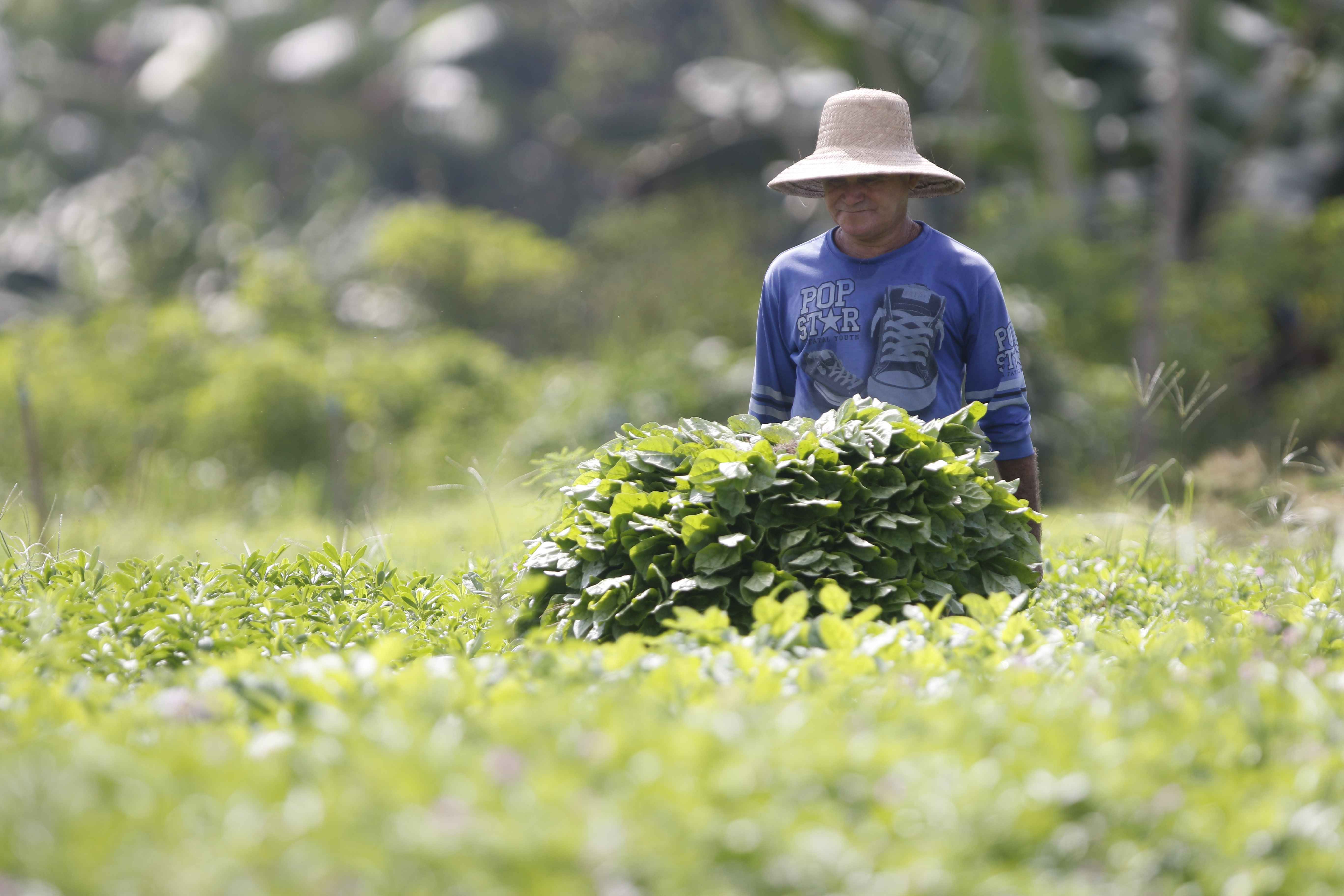
Manager of Sebrae-PA's Impact Business Unit, Renato Coelho assesses that, among predominantly face-to-face businesses, such as a mechanic workshop or a beauty salon, there is the difficulty of not knowing what practices would be harmful to the environment or away from social criteria for better aligning with sustainability. “We have been working to change this scenario, bringing knowledge about the objectives of sustainable development, the global agenda and how small businesses have to worry about social and environmental issues, and not just profitability.”
Fertility
Renato Coelho affirms that the socio-environmental impact business ecosystem in the Amazon is very fertile. "On our islands, for example, traditional communities are already developing these impact businesses with the vision of guardians of the forest, living in harmony with the environment. For example, a restaurant on the island of Combu, which seeks more sustainable practices, or a small producer rural area that works with agroforestry system practices. All these businesses are part of this environmental sustainability ecosystem, which is very rich in the Amazon", says the manager.
"Often, when we think about impact businesses, we are thinking about startups that create digital solutions to solve a social and environmental problem. We are bringing a concept from Brazil’s South and Southeast, but when we look at traditional small businesses spread throughout our State as part of this, it is noticeable that we do have a strengthened ecosystem”.
Hard access to credit is an obstacle
Unlike large businesses, which naturally obtain more capital for investments in more sustainable practices, small and medium-sized enterprises still face the difficulty of accessing credit – and undertaking a sustainable business also consumes money. “This obstacle is widely reported when these businesses aim to expand, increase production, and adopt more sustainable practices”, says Renato Coelho.
“Regarding the issue of access to credit, the first step is for the small businesses tounderstand the reason why they are looking for resources, where they are going to use this type of investment. It has to be a resource that will be used in a guided, assisted manner, and Sebrae has products and services to accompany this process, including the use of this credit. Another very important issue is for small businesses to understand that financial institutions, especially the traditional ones, demand certain requirements and attributes, such as revenue, transaction history, years of existence, so it is necessary to research what these criteria are in order to understand which is the best option.
Given this, training is essential, especially in financial management, so that the entrepreneurs can understand how much of these resources should be allocated, whether for working capital, for equipment acquisition, for renting a new building, so that he can use these resources responsibly and this does not become a problem in the future”, he details.
Bureaucracy
Another main problem has been bureaucracy. “The debureaucratization, using digital technology, has been focused by startup companies that act in the region looking for digital solutions, which replace, for example, the utilization of paper and the waste generation. We can mention some companies assisted by Sebrae, for example, a company that uses a digital tool to create electric projects in virtual environment; another one that stimulates payment using PIX, another one, in the healthcare sector that digitizes processes. These are digital tools which, in daily life, seek to progressively decrease emissions of greenhouse gasses and waste generation.
App shortens the path to regularization
Starting a company in the Amazon is still synonymous with going through many kilometers, going from one public agency to another, accumulating many sheets of paper, collecting signatures, bills, etc. The endeavor costs time and money, in addition to a lot of persistence for those ones who decide to undertake it, and it may even result in missing out on opportunities.
In the case of the construction, from 2010 on, of the Belo Monte Hydroelectric Plant, in Pará, for example, in which more than 90% of the work took place within the municipality of Vitória do Xingu, where there was no adequate legal framework to host a project of that magnitude, both the project and the smaller businesses that grew up in the surrounding area need to race against time, jumping through the barriers of bureaucracy, to properly set up commercial activities.
“This issue of taking a long time to start a company is not only in the Amazon, but around the whole country, and it’s linked to many difficulties in the Brazilian business environment”, explains Jó Sales, Chief Executive Officer of Empresa Digital app, a project installed in 13 cities in Pará state, that automates processes involving the registration of new companies, licensing, and even the closure of businesses with public agencies. The initiative helped municipalities to stop using 6.5 million sheets of paper, avoiding the emission of 564 thousand kilograms of CO² into the atmosphere."
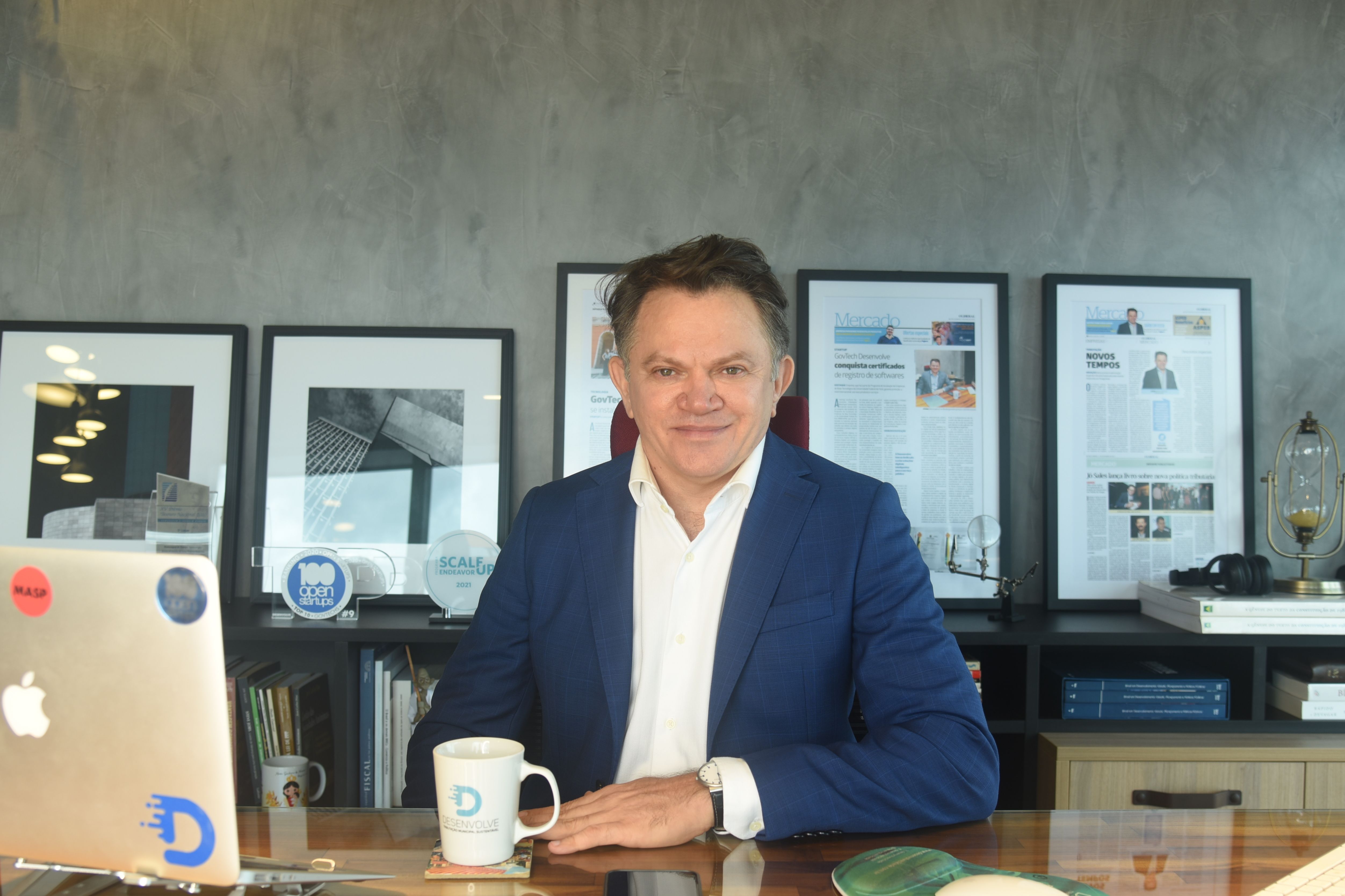
“We identified through the Doing Business survey, which assesses the business environment in 192 countries around the world, that Brazil's position is very bad, especially in the perspective of the average time to start a business. It is a huge problem, and the challenges have worsened in the Amazon due to a series of situations, especially concerning infrastructure, logistics, internet access, and operational difficulties in city halls – which are responsible for the operating licenses of each business”.
Sales concluded, after creating the digital solution, that there was very low institutional and technological integration among the agencies providing services to citizen entrepreneurs. “There is enormous difficulty in the structure of each federated entity, city, state, and country, but especially at the municipal level, among the secretariats. There are operational problems about procedures, legislation, and the routine functioning of public services, besides the low capacity of municipalities to monitor and define competence related to a business being established in the city. This scenario directly impacts on tax revenue, in which these businesses can contribute to providing the city with resources for essential areas such as health and education".
Ananindeua
According to Sales, the APP helps municipalities and the State to be structured, regarding technologies and a new regulatory framework, to effectively solve, facilitate, and simplify procedures so that businesses can be established and generate employment and income. The application developed by the startup founded by Sales makes possible the resolution of various bureaucratic procedures through the mobile phone.
Public servants can focus more on higher-risk activities, as lower-impact businesses can obtain licenses in a more automated manner. This reduces paperwork and saves the time of public servants within the secretariats, such as those in the municipality of Ananindeua, which has been using the system since 2023.
"For instance, in Ananindeua, there have been 11,500 businesses opened since March, and 44% of economic activities have been not only automatically approved but also licensed in a 100% digital way. There were 5,153 businesses installed automatically, with data received by the secretariats in an integrated and real-time manner," Sales reports.
The project's data shows that 2.5 million sheets of paper were saved with the digital services provided, avoiding the emission of 215,000 kilograms of CO² into the planet, in Ananindeua alone. Expenses for public management were estimated to have reduced by R$13 million in nine months, according to the published balance.
Meanwhile, the revenue obtained from the Imposto sobre Serviços de Qualquer Natureza (ISS) [Tax on Services of Any Nature] in the municipality increased by R$38.8 million in the same period. According to Sales, the indicators are better than those recorded in the United Kingdom, Canada, Singapore, and the United States, which are at the top of the international ranking, according to the World Bank.
Municipality invests in the modernization of the revenue collection system
Ducival Júnior, Municipal Secretary of Fiscal Management (Segef) of Ananindeua, celebrates the results made possible by the creation of InovaAnani, since March 2023, which includes the services of the Empresa Digital app. He says that the municipality decided to invest in modernization tools for the revenue collection system, integrating almost all services that were previously in-person and are now accessible to citizens through their mobile phones."
"The aim is to make the taxpayer’s life easier, providing all possible service options. So, it's possible to pay using the internet without the need to go in person, from the ‘Imposto sobre Propriedade Predial e Territorial Urbana’ (IPTU) [Urban Property Tax] to starting and expanding a company, without leaving home or the office. In return, we have increased and made our revenue collection methods more efficient," says Ducival.
The Empresa Digital project was one of the 22 initiatives selected to participate in the GovTech 2023 Bootcamp, promoted by the Secretaria de Estado de Ciência, Tecnologia e Educação Superior, Profissional e Tecnológica (Sectet) [State Secretariat for Science, Technology and Higher, Professional, and Technological Education] in collaboration with the StartupPará program. "If Pará implements this project in all municipalities, it could prevent the emission of 2.4 million kilograms of CO² and position Pará as the leader in the national ranking in terms of business viability and establishment, improving the business environment and competitiveness indicators", says Jó Sales.